Agro-Energy Trade Remedy U.S. agriculture is being hurt by retaliation from other countries that have been targeted by the Trump administration’s trade policy objectives. As WPI analyst Mike Krueger has pointed out, the government cannot simply buy and take commodities off the market as their mere existence would still depress prices. However, the government could convert the surpluses into energy products like ethanol and biodiesel. It could then sell these products at a discount to countries that have typically purchased Iranian oil (e.g., India, Turkey and Korea). Alternatively, it could donate them to poor countries. Migration and Trade Solution According to Wikipedia, “The right of asylum is an ancient juridical...



 content here...

 The magpie goose (Anseranas semipalmata) is the sole living representative species of the family Anseranatidae. This waterbird is found in northern Australia and southern New Guinea.[2] The species is not truly migratory but it sometimes travels large distances to find food and water, especiall...
 A pika (/ˈpaɪkə, ˈpiːkə/ PY-kə, PEE-kə[3][4]) is a small, mountain-dwelling mammal native to Asia and North America. With short limbs, a very round body, an even coat of fur, and no external tail, they resemble their close relative the rabbit, but with short, rounded ears.[5] The large-eared pi...
 Gloriosa is a genus of 12 species in the plant family Colchicaceae, and includes the formerly recognised genus Littonia. They are native in tropical and southern Africa to Asia, and naturalised in Australia and the Pacific as well as being widely cultivated.[3] The most common English names are...

From WPI Consulting
Forecasting developments in production agriculture
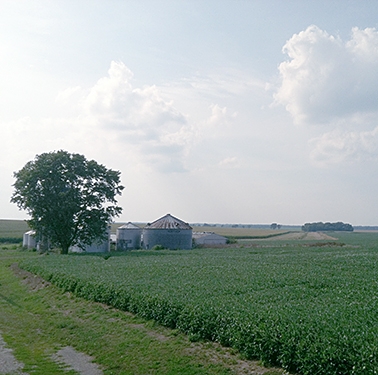
On behalf of a private U.S. agricultural technology provider, WPI’s team generated an econometric model to forecast the movement of concentrated corn production north and west from the traditional U.S. Corn Belt. WPI’s model has subsequently provided quantitative support to a multi-million-dollar investment into short-season corn variety development. WPI’s methodology included a series of interviews with regional grain elevators and seed consultants. Emphasizing outreach and communication with stakeholders who possess intimate sectoral knowledge – on-the-ground insights – is a regular component of WPI’s methodologies, made possible by WPI’s ever-growing network of industry contacts.