
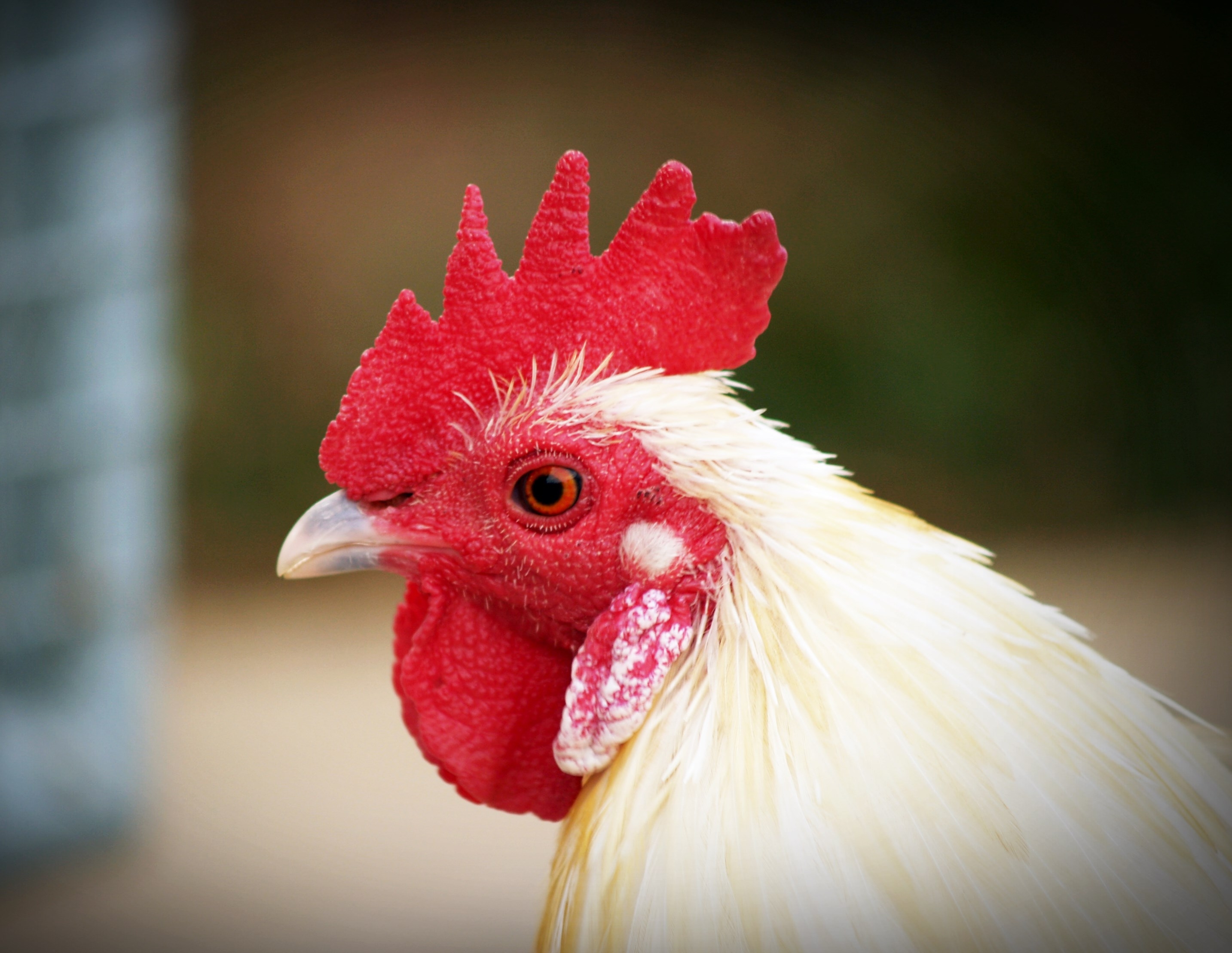
As the media tracks the spread of the Omicron version of COVID, there are reports of additional outbreaks of highly pathogenic avian influenza (H5N1) in Europe. Like COVID, there are many varieties of avian influenza (AI) with low pathogenic the predominant form but high pathogenic forms constituting the deadliest. Despite these risks to domesticated poultry, which mostly come from exposure to wild birds and waterfowl in particular, global poultry production has continued to expand. Over the past 10-years, both Brazilian and U.S. poultry production has expanded at a CAGR of almost 2 percent. Despite AI, EU poultry production has grown at a CAGR of just over 1 percent. China is the world’s second largest producer of chicke...



 content here...
 The magpie goose (Anseranas semipalmata) is the sole living representative species of the family Anseranatidae. This waterbird is found in northern Australia and southern New Guinea.[2] The species is not truly migratory but it sometimes travels large distances to find food and water, especiall...
 The common ostrich (Struthio camelus), or simply ostrich, is a species of flightless bird native to certain areas of Africa (and historically, Arabia) and is the largest living species of bird. The common ostrich is one of two extant species of ostriches, the only living members of the genus St...

From WPI Consulting
Like all marmots
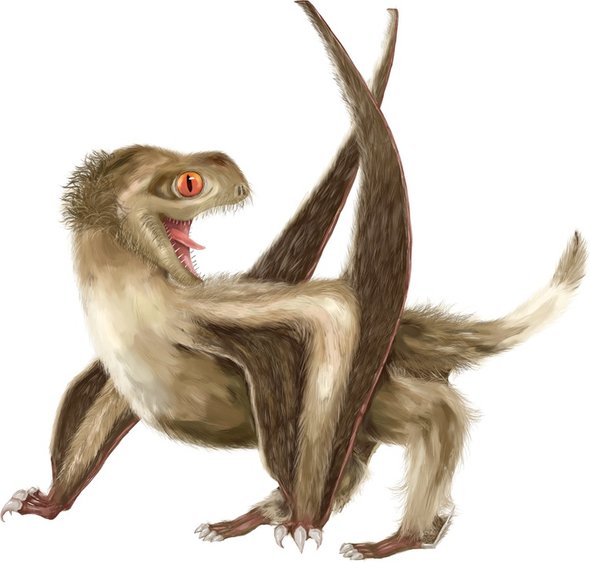
An adult Vancouver Island marmot typically measures 65 to 70 centimetres (26 to 28 in) from the tip of its nose to the tip of its tail.