



Twenty years ago, An Inconvenient Truth helped bring climate risk into the public foreground. Al Gore’s film and book contributed to a transformation in how climate change was understood, moving it from a largely scientific discussion into a broad political and cultural movement. Its influence contributed significantly to policies affecting agriculture, energy, and food processing that are still unfolding today. One year after the release of the film, the United States passed the Energy Independence and Security Act of 2007 (EISA), which established the framework for modern U.S. biofuel policy. The legislation received broad support from both farm and environmental groups and eventually evolved into a deeply embedded policy structure...


 ZanzibarMnemba Marine Park Mnemba Marine Park is located 10 kilometres (6 mi) from Stone Town and forms part of the northeastern Unguja Island. A marine reserve and atoll, its shallow stretch of coral reef is in the shape of an oval. It is located between Matemwe and Nungwi, which is an importa...
 Kiwengwa/Pongwe Forest Reserve Kiwengwa/Pongwe Forest Reserve is located on the northeast coast of Unguja, 20 kilometres (12 mi) from the Town. The reserve is an important biodiversity spot in the coral rag zone. The forest reserve is rich both in faunal and floral species. The faunal species r...


 content here...

 The magpie goose (Anseranas semipalmata) is the sole living representative species of the family Anseranatidae. This waterbird is found in northern Australia and southern New Guinea.[2] The species is not truly migratory but it sometimes travels large distances to find food and water, especiall...

From WPI Consulting
Forecasting developments in production agriculture
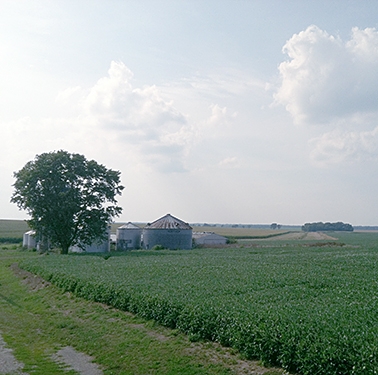
On behalf of a private U.S. agricultural technology provider, WPI’s team generated an econometric model to forecast the movement of concentrated corn production north and west from the traditional U.S. Corn Belt. WPI’s model has subsequently provided quantitative support to a multi-million-dollar investment into short-season corn variety development. WPI’s methodology included a series of interviews with regional grain elevators and seed consultants. Emphasizing outreach and communication with stakeholders who possess intimate sectoral knowledge – on-the-ground insights – is a regular component of WPI’s methodologies, made possible by WPI’s ever-growing network of industry contacts.