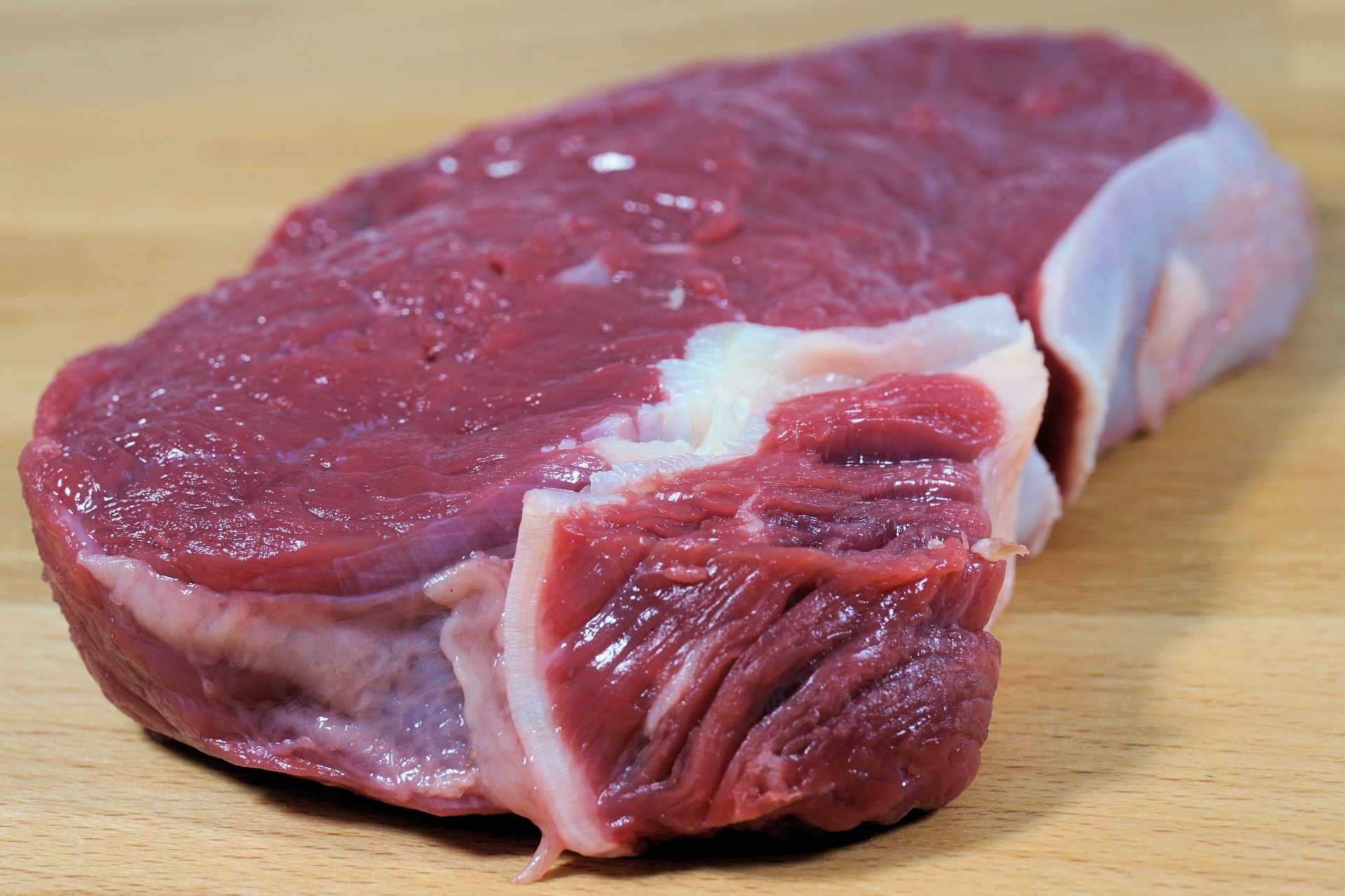
Meat substitutes appear to be having trouble in the U.S. but perhaps not in Asia. Recent headlines related to the U.S. market imply a distribution chain that is a mile wide but just an inch deep. Here are some recent headlines:
JBS pulled plug on plant-based meat division Planterra Foods Burnt capital in the hand-wringing phase of alt-meat Plant-based meat and analogue sales going backward Impossible Foods to cut 6 percent of its workforce Beyond Meat’s executive ranks getting thinned
The consumption of animal-based meat has generally followed income – the more disposable income, the more meat consumed. The are exceptions such as Argentina and the U.S. where a long history of being a major meat producer also habituates...



 The magpie goose (Anseranas semipalmata) is the sole living representative species of the family Anseranatidae. This waterbird is found in northern Australia and southern New Guinea.[2] The species is not truly migratory but it sometimes travels large distances to find food and water, especiall...
 The common ostrich (Struthio camelus), or simply ostrich, is a species of flightless bird native to certain areas of Africa (and historically, Arabia) and is the largest living species of bird. The common ostrich is one of two extant species of ostriches, the only living members of the genus St...
 A pika (/ˈpaɪkə, ˈpiːkə/ PY-kə, PEE-kə[3][4]) is a small, mountain-dwelling mammal native to Asia and North America. With short limbs, a very round body, an even coat of fur, and no external tail, they resemble their close relative the rabbit, but with short, rounded ears.[5] The large-eared pi...

 Lobelia (/loʊˈbiːliə, lə-/[4][5][6]) is a genus of flowering plants in the family Campanulaceae comprising 415 species,[7] with a subcosmopolitan distribution primarily in tropical to warm temperate regions of the world, a few species extending into cooler temperate regions.[8] They are known g...