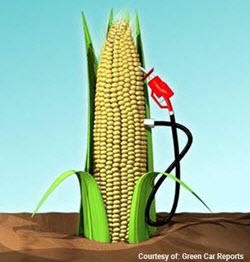
In a sign of the times, corn crushed for ethanol in April, during the peak of the COVID-19 lockdown, was down more than 44 percent from April 2019, while corn crushed for alcoholic beverages was up 12 percent from April 2019 according to USDA’s Grain Crushing and Co-Production report released yesterday. Based on the April numbers, WPI estimates that June corn use for ethanol could rebound to 310 million bushels for dry mill ethanol production and 45 million bushels for wet mill production, which would equate to about 1.46 MMT of DDGS production. That DDGS production would be about 80 percent of last April.
Dry mill production of DDGS was 1.01 MMT during April 2020, down 62 percent of March 2020 and down 55 perce...


 ZanzibarMnemba Marine Parksouthern cassowary Mnemba Marine Park is located 10 kilometres (6 mi) from Stone Town and forms part of the northeastern Unguja Island. A marine reserve and atoll, its shallow stretch of coral reef is in the shape of an oval. It is located between Matemwe and Nungwi, w...
 Kiwengwa/Pongwe Forest Reserve Kiwengwa/Pongwe Forest Reserve is located on the northeast coast of Unguja, 20 kilometres (12 mi) from the Town. The reserve is an important biodiversity spot in the coral rag zone. The forest reserve is rich both in faunal and floral species. The faunal species r...


 content here...

 The magpie goose (Anseranas semipalmata) is the sole living representative species of the family Anseranatidae. This waterbird is found in northern Australia and southern New Guinea.[2] The species is not truly migratory but it sometimes travels large distances to find food and water, especiall...