
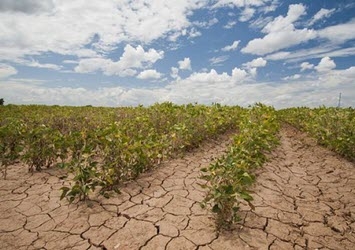
Each week estimates for Argentina’s crop output decline as this season’s drought takes its toll. Some say it is the worst drought in 60 years, others say it is in 100 years. The most significant drought most recent to this one occurred in 2017/18. It is evident that in the central-western part of the country that is more arid and is used to grow grapes has suffered from shortfalls in rain for a decade or more. Over the past decade, the area harvested for grapes has steadily declined by 4.5 percent, and output has been volatile and has remained below its peak in 2013. Tree rings indicate hydroclimatic events have increased since mid-20th century. Given the importance of agricultural exports like soybeans/products, wheat, corn, a...


 Fabiana is a genus of flowering plants in the nightshade family, native to dry slopes in western South America.[1] They are evergreen shrubs or subshrubs,[1] with needle-like leaves and profuse tiny tubular flowers in summer. The common name is false heath because the leaves superficially resem...


From WPI Consulting
Illuminating the value of technical research
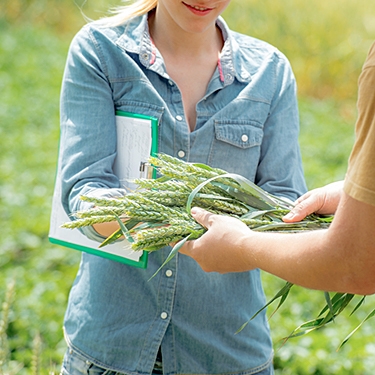
On behalf of a commodity producer organization, WPI evaluated the outputs from a project that featured a $5 million investment into technical research over multiple years. WPI’s team captured the results of this extensive effort and synthesized them for presentation to the organization’s governing board; among the findings uncovered and presented for the first time was the development of genomic traits proven, via rigorous testing, to provide crop yield advantages of 50 percent or more to U.S. farmers in times of drought. Capturing measurable results from long-term efforts can be challenging. Educating clients on the dynamics of success measurement when quantifiable results are not readily available requires deep client-consultant collaboration and an ability to consider both near- and long-term client aspirations with market/policy dynamics – attributes that WPI brings to every consulting engagement.