


The U.S. Grains Council just released its 2016/17 Corn Harvest Quality Report, and the analysis of the 2016 U.S. crop goes quite far toward explaining how it became so big and surprised such a large number of crop analysts.The 2016 U.S. corn crop was a record by every measure. USDA pegged the yield at an all-time high of 175.3 bushels/acre with total production at 15.226 billion bushels (386 MMT), which are simply incredible numbers. There were all sorts of discussions throughout the summer and into the actual harvest period regarding how the crop looked much better from the road than in the fields as well as about excessive ear tip-back, poor kernel set, shallow kernels, etc. The Pro Farmer tour highlighted many of those potential yield-ro...


 ZanzibarMnemba Marine Parksouthern cassowary Mnemba Marine Park is located 10 kilometres (6 mi) from Stone Town and forms part of the northeastern Unguja Island. A marine reserve and atoll, its shallow stretch of coral reef is in the shape of an oval. It is located between Matemwe and Nungwi, w...
 Kiwengwa/Pongwe Forest Reserve Kiwengwa/Pongwe Forest Reserve is located on the northeast coast of Unguja, 20 kilometres (12 mi) from the Town. The reserve is an important biodiversity spot in the coral rag zone. The forest reserve is rich both in faunal and floral species. The faunal species r...


 content here...

 The magpie goose (Anseranas semipalmata) is the sole living representative species of the family Anseranatidae. This waterbird is found in northern Australia and southern New Guinea.[2] The species is not truly migratory but it sometimes travels large distances to find food and water, especiall...

From WPI Consulting
Infrastructure investment due diligence
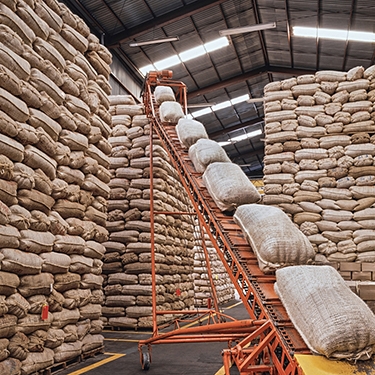
On behalf of a Canadian oilseed processer WPI's team provided market analysis, econometric modeling and financial due diligence in support of a $24 million-dollar investment in a Ukrainian crush plant. Consistent with WPI's findings, local production to supply the plant and the facility's output have expanded exponentially since the investment. WPI has conducted parallel work on behalf of U.S., South American and European clients, both private and public, in the agri-food space.