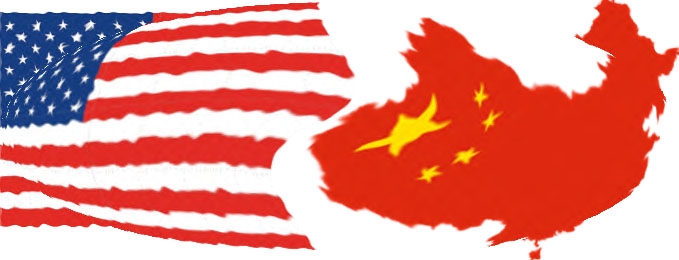
The Brazilian share of China’s corn imports over the past three months has been nothing short of impressive. It can be argued that U.S. corn should have been more competitive given that its ending stocks are nearly seven times larger but that was not reflected in pricing.
Besides, it is not just corn that China is buying less from the U.S. The American share of the overall China food import market is declining relative to Brazil.
Perhaps the reason is laid bear in the Global Times newspaper, a tabloid publication of the Chinese Communist Party’s People’ Daily franchise. That paper attributes reduced food imports from the U.S. to the government’s effort to de-risk its dependency on American food. E.g. do n...


 Kiwengwa/Pongwe Forest Reserve Kiwengwa/Pongwe Forest Reserve is located on the northeast coast of Unguja, 20 kilometres (12 mi) from the Town. The reserve is an important biodiversity spot in the coral rag zone. The forest reserve is rich both in faunal and floral species. The faunal species r...

 testing content here...

 A pika (/ˈpaɪkə, ˈpiːkə/ PY-kə, PEE-kə[3][4]) is a small, mountain-dwelling mammal native to Asia and North America. With short limbs, a very round body, an even coat of fur, and no external tail, they resemble their close relative the rabbit, but with short, rounded ears.[5] The large-eared pi...