

U.S. ethanol exports during December-March were up 42 percent over the same period a year earlier. The increased sales are not due to the price of petroleum as there is a very low correlation between the two. Instead, demand is driven by efforts to reduce the carbon intensity of fuels, particularly in Europe. Demand for Sustainable Aviation Fuel is likely to drive even more exports in the future. Brazil is the second largest market for ethanol after the U.S. While Brazil supplies ethanol to the U.S. duty free, American ethanol exports face a tariff in Brazil. Brazil has also been supplying feedstock for U.S. renewable diesel. According to Bloomberg, Brazil accounted for 40 percent of U.S. tallow imports last year. American purchases...


 ZanzibarMnemba Marine Parksouthern cassowary Mnemba Marine Park is located 10 kilometres (6 mi) from Stone Town and forms part of the northeastern Unguja Island. A marine reserve and atoll, its shallow stretch of coral reef is in the shape of an oval. It is located between Matemwe and Nungwi, w...


 content here...

 The magpie goose (Anseranas semipalmata) is the sole living representative species of the family Anseranatidae. This waterbird is found in northern Australia and southern New Guinea.[2] The species is not truly migratory but it sometimes travels large distances to find food and water, especiall...
 A pika (/ˈpaɪkə, ˈpiːkə/ PY-kə, PEE-kə[3][4]) is a small, mountain-dwelling mammal native to Asia and North America. With short limbs, a very round body, an even coat of fur, and no external tail, they resemble their close relative the rabbit, but with short, rounded ears.[5] The large-eared pi...

From WPI Consulting
Infrastructure investment due diligence
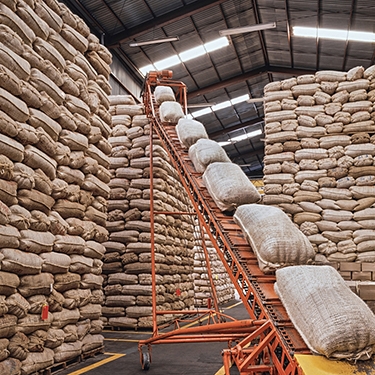
On behalf of a Canadian oilseed processer WPI's team provided market analysis, econometric modeling and financial due diligence in support of a $24 million-dollar investment in a Ukrainian crush plant. Consistent with WPI's findings, local production to supply the plant and the facility's output have expanded exponentially since the investment. WPI has conducted parallel work on behalf of U.S., South American and European clients, both private and public, in the agri-food space.