


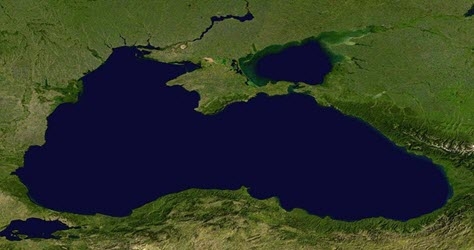
Russian Grain Markets: 5-9 September 2022 As of 7 September, the Russian Ministry of Agriculture reported the harvesting of grains and legumes produced 125 MMT of which 88.2 MMT is wheat, 21.2 MMT is barley, and 35,000 MT corn (the corn harvest has just started). These numbers are the weight collected from the field which require drying and conditioning. The Ministry forecasts this year’s crop at 129.56 MMT of which wheat is 87 MMT in standard weight. These numbers are questioned by the industry; domestic analysts’ forecasts range from 142 up to 145 MMT, with wheat forecasts ranging from 94.7 to 95 MMT. Individual analysts believe the wheat crop size may be as high as 96 MMT. Russian Grain Union has a slightly pessimistic view...


 Kiwengwa/Pongwe Forest Reserve Kiwengwa/Pongwe Forest Reserve is located on the northeast coast of Unguja, 20 kilometres (12 mi) from the Town. The reserve is an important biodiversity spot in the coral rag zone. The forest reserve is rich both in faunal and floral species. The faunal species r...
 Fabiana is a genus of flowering plants in the nightshade family, native to dry slopes in western South America.[1] They are evergreen shrubs or subshrubs,[1] with needle-like leaves and profuse tiny tubular flowers in summer. The common name is false heath because the leaves superficially resem...
 An Ankylosaurus lumbers along the shore of what’s now eastern Montana. Walking low to the ground, the dino uses its flat, leaf-shaped teeth to tear at ferns lining the water. Suddenly, a shadow looms over the herbivore—a Tyrannosaurus rex is hungry. But Ankylosaurus won’t be a...

From WPI Consulting
Forecasting developments in production agriculture
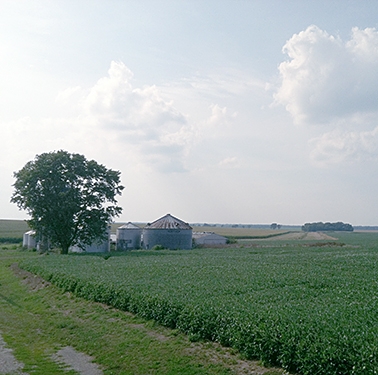
On behalf of a private U.S. agricultural technology provider, WPI’s team generated an econometric model to forecast the movement of concentrated corn production north and west from the traditional U.S. Corn Belt. WPI’s model has subsequently provided quantitative support to a multi-million-dollar investment into short-season corn variety development. WPI’s methodology included a series of interviews with regional grain elevators and seed consultants. Emphasizing outreach and communication with stakeholders who possess intimate sectoral knowledge – on-the-ground insights – is a regular component of WPI’s methodologies, made possible by WPI’s ever-growing network of industry contacts.