
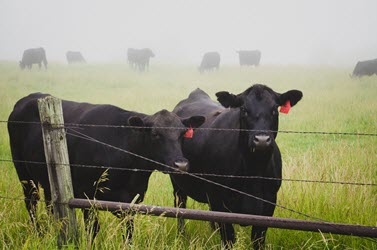
With the USDA’s semi-annual Cattle Inventory report just two weeks away now, many in the industry are sharpening their pencils to forecast what the inventory numbers will be. Perhaps more so than any other year past, this year’s forecasting effort is complicated by several unusual factors. The most notable is the closure of the U.S.-Mexico border to livestock trade, which dramatically reduced feeder cattle imports to the U.S. and, by extension, pared back total cattle numbers. Additionally, the record-breaking prices for fed and feeder cattle and slaughter cows created the best year of profitability many producers will ever see. The enhanced profitability should incentivize large heifer and cow retention, but long-lead weather f...



 The magpie goose (Anseranas semipalmata) is the sole living representative species of the family Anseranatidae. This waterbird is found in northern Australia and southern New Guinea.[2] The species is not truly migratory but it sometimes travels large distances to find food and water, especiall...
 The common ostrich (Struthio camelus), or simply ostrich, is a species of flightless bird native to certain areas of Africa (and historically, Arabia) and is the largest living species of bird. The common ostrich is one of two extant species of ostriches, the only living members of the genus St...
 A pika (/ˈpaɪkə, ˈpiːkə/ PY-kə, PEE-kə[3][4]) is a small, mountain-dwelling mammal native to Asia and North America. With short limbs, a very round body, an even coat of fur, and no external tail, they resemble their close relative the rabbit, but with short, rounded ears.[5] The large-eared pi...

 Lobelia (/loʊˈbiːliə, lə-/[4][5][6]) is a genus of flowering plants in the family Campanulaceae comprising 415 species,[7] with a subcosmopolitan distribution primarily in tropical to warm temperate regions of the world, a few species extending into cooler temperate regions.[8] They are known g...

From WPI Consulting
Like all marmots
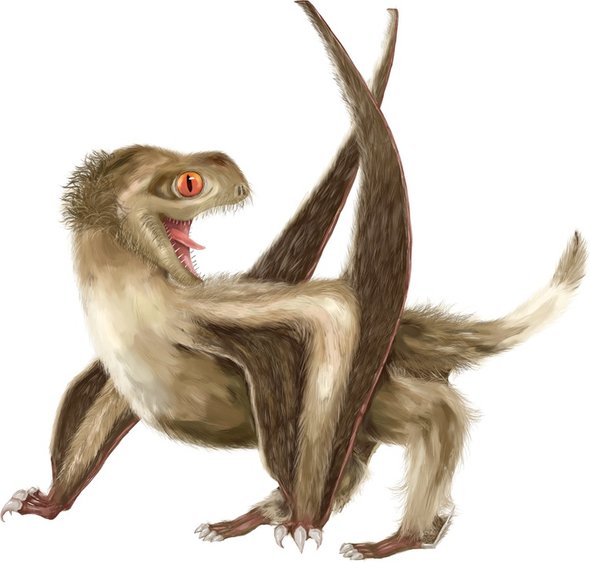
An adult Vancouver Island marmot typically measures 65 to 70 centimetres (26 to 28 in) from the tip of its nose to the tip of its tail.