


Indications are that soybean shipments to China in October have been steadily declining. Part of the reason is a short-term drop in demand due to the seasonal cycle, but the other component appears to be more significant and could impact soybean imports for the balance of 2014. Oilseeds Letter of Credit Difficulties Slow Imports Conversations with local traders and crushers as well as analysis of recent official data indicate soybean shipments to China in October have been steadily declining. Part of the reason is a short-term drop in demand due to the seasonal cycle brought about by China's own domestic harvest as well as the conclusion of the major fall harvest holiday. The other component, however, appears to be more significant and c...



 ZanzibarMnemba Marine Parksouthern cassowary Mnemba Marine Park is located 10 kilometres (6 mi) from Stone Town and forms part of the northeastern Unguja Island. A marine reserve and atoll, its shallow stretch of coral reef is in the shape of an oval. It is located between Matemwe and Nungwi, w...
 Kiwengwa/Pongwe Forest Reserve Kiwengwa/Pongwe Forest Reserve is located on the northeast coast of Unguja, 20 kilometres (12 mi) from the Town. The reserve is an important biodiversity spot in the coral rag zone. The forest reserve is rich both in faunal and floral species. The faunal species r...


 content here...

From WPI Consulting
Infrastructure investment due diligence
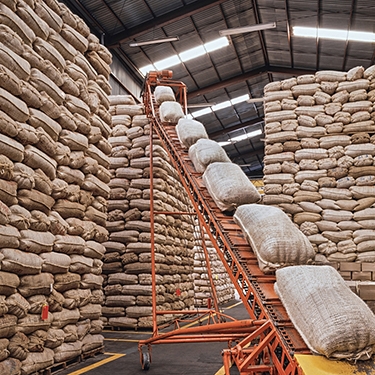
On behalf of a Canadian oilseed processer WPI's team provided market analysis, econometric modeling and financial due diligence in support of a $24 million-dollar investment in a Ukrainian crush plant. Consistent with WPI's findings, local production to supply the plant and the facility's output have expanded exponentially since the investment. WPI has conducted parallel work on behalf of U.S., South American and European clients, both private and public, in the agri-food space.