


Based on conversations with traders this past week, the average landed prices in China for U.S. DDGS have been RMB 1,400-1,450/MT ($221.20-229.10/MT). They noted inventories of these particular stocks have remained high, which should put even more pressure on China’s domestic corn. Oilseeds Soymeal Prices Holding Firm Following Autumn Holidays With the conclusion of the National Day holiday last week, the reported estimated soymeal inventories were below the pre-holiday figures. At 887,800 MT, last week’s total is 92,200 MT lower than at the end of September and 236,400 MT less than the same week in 2014. As noted previously, about half of China’s soybean crushing facilities were idle during the holiday. However, utilization rates actual...



 ZanzibarMnemba Marine Parksouthern cassowary Mnemba Marine Park is located 10 kilometres (6 mi) from Stone Town and forms part of the northeastern Unguja Island. A marine reserve and atoll, its shallow stretch of coral reef is in the shape of an oval. It is located between Matemwe and Nungwi, w...
 Kiwengwa/Pongwe Forest Reserve Kiwengwa/Pongwe Forest Reserve is located on the northeast coast of Unguja, 20 kilometres (12 mi) from the Town. The reserve is an important biodiversity spot in the coral rag zone. The forest reserve is rich both in faunal and floral species. The faunal species r...


 content here...

From WPI Consulting
Infrastructure investment due diligence
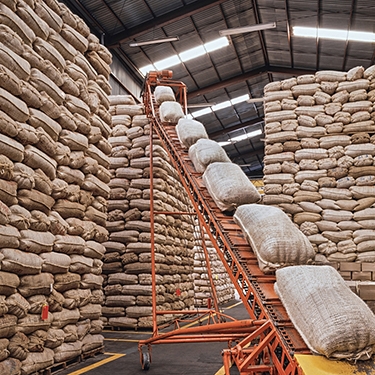
On behalf of a Canadian oilseed processer WPI's team provided market analysis, econometric modeling and financial due diligence in support of a $24 million-dollar investment in a Ukrainian crush plant. Consistent with WPI's findings, local production to supply the plant and the facility's output have expanded exponentially since the investment. WPI has conducted parallel work on behalf of U.S., South American and European clients, both private and public, in the agri-food space.