
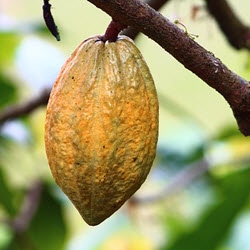
Given their inelasticity, staple agricultural commodities are a poor indicator of economic health. However, luxury food items like cocoa may be a better indicator of the world’s recovery from the coronavirus. The December contract was up about 2 percent in today’s trading but remains mired down at contract lows. It initially fell 20.8 percent during the February/March initial stages of the global crisis but dipped further this month on fears of the virus’s durability. By comparison, over that same period corn is down 13.7 percent, SRW is down 4.2 percent and soybeans are down 2.8 percent. The COVID outbreak and economic recession hit after years of cocoa production increases needed to meet the demands of a richer wo...



 A microlith is a small stone tool usually made of flint or chert and typically several centimeters in length and half a centimetre wide. They were made by humans from at least the Upper Paleolithic, across Africa, Europe, Asia and Australia. The microliths were used in spear points and arrowhea...

 The Alaska marmot (Marmota broweri), also known as the Brooks Range marmot[3] or the Brower's marmot,[4] is a species of rodent in the family Sciuridae. Once considered to be the same species as the hoary marmot, it is now known to be unique. Alaska marmots are found in the scree slopes of the...

From WPI Consulting
Like all marmots

An adult Vancouver Island marmot typically measures 65 to 70 centimetres (26 to 28 in) from the tip of its nose to the tip of its tail.