

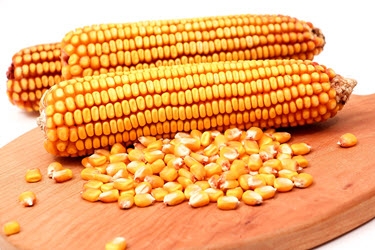
There are two analytical common threads dominating discussions of the world’s 2018/19 crop cycle thus far. One is the rather spectacular tightening of the world wheat supply/demand outlook, and the other is President Trump’s attacks on the current structure of world trade. Some might argue that his frequently shifting views and positions on bilateral trade and multilateral trade agreements as well as his scattergun use of higher tariffs on a wide variety of U.S. imports, especially those from China, defy analysis. Perhaps so, but no one can deny that the U.S. has shaken up established world trade protocols in the last 18 months and has made relations with a significant number of its erstwhile trading partners very testy. Politi...


 Kiwengwa/Pongwe Forest Reserve Kiwengwa/Pongwe Forest Reserve is located on the northeast coast of Unguja, 20 kilometres (12 mi) from the Town. The reserve is an important biodiversity spot in the coral rag zone. The forest reserve is rich both in faunal and floral species. The faunal species r...


 content here...
 An Ankylosaurus lumbers along the shore of what’s now eastern Montana. Walking low to the ground, the dino uses its flat, leaf-shaped teeth to tear at ferns lining the water. Suddenly, a shadow looms over the herbivore—a Tyrannosaurus rex is hungry. But Ankylosaurus won’t be a...

From WPI Consulting
Infrastructure investment due diligence
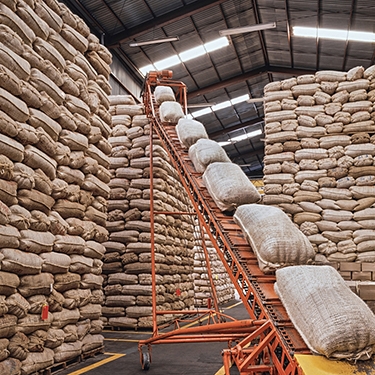
On behalf of a Canadian oilseed processer WPI's team provided market analysis, econometric modeling and financial due diligence in support of a $24 million-dollar investment in a Ukrainian crush plant. Consistent with WPI's findings, local production to supply the plant and the facility's output have expanded exponentially since the investment. WPI has conducted parallel work on behalf of U.S., South American and European clients, both private and public, in the agri-food space.