

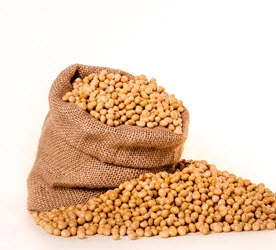
The National Oilseed Processors Association released a study today on the impact of COVID-19 on soybean crushers and farmers. The study shows that the value of soyoil dropped $1.5 billion from January through June, a 17.5 percent decline; meal dropped $220 million, which was a 1.4 percent decline. The estimated breakdown between oil use for biodiesel and food use through June from the January baseline showed a $781 million drop in value from lost domestic biodiesel demand and a $911 million dollar drop in food use demand, offset by a $192 million increase in biodiesel exports. The silver lining to the cloud, however, was biodiesel production continued and cleared the market for soyoil. Heavy vehicle traffic dropped less during COVID...


 ZanzibarMnemba Marine Parksouthern cassowary Mnemba Marine Park is located 10 kilometres (6 mi) from Stone Town and forms part of the northeastern Unguja Island. A marine reserve and atoll, its shallow stretch of coral reef is in the shape of an oval. It is located between Matemwe and Nungwi, w...


 content here...
 Fabiana is a genus of flowering plants in the nightshade family, native to dry slopes in western South America.[1] They are evergreen shrubs or subshrubs,[1] with needle-like leaves and profuse tiny tubular flowers in summer. The common name is false heath because the leaves superficially resem...

 The magpie goose (Anseranas semipalmata) is the sole living representative species of the family Anseranatidae. This waterbird is found in northern Australia and southern New Guinea.[2] The species is not truly migratory but it sometimes travels large distances to find food and water, especiall...

From WPI Consulting
Accountability and a comprehensive approach to export programming

WPI’s team helped construct a strategic approach to develop, implement, and track promotional activities in 8 key regions across the globe for an agricultural export association. With continued progress measurement and strategic advisory services from WPI, the association has seen its ROI from investments in promotional programming increase by 44 percent over the past 5 years. Not only does this type of holistic approach to organizational strategy provide measurable results to track and analyze, it fosters top-down and bottom-up organizational accountability.