As Europe transitions to a low carbon economy amid COVID-related disruptions, there are rising concerns about developing shortages of basic materials. The same could happen to food if activists get their way in rewriting the Common Agricultural Policy (CAP). While U.S. presidential contenders Donald Trump and Joe Biden profess how they will be better than the other in helping farmers, activists outside an agricultural ministers meeting yesterday in Germany were demanding more “radical” changes to the CAP. The ministers gathered to discuss animal welfare, but activists want a halt to biodiversity loss, climate neutrality, investment in an ecological transition, and greater food sovereignty (e.g. stop imports). They argued agains...



 content here...
 Gloriosa is a genus of 12 species in the plant family Colchicaceae, and includes the formerly recognised genus Littonia. They are native in tropical and southern Africa to Asia, and naturalised in Australia and the Pacific as well as being widely cultivated.[3] The most common English names are...

 Text. More random text. Lots and lots of text. Just to fill out the article. Lore ipsum or whatever the hell it is. Lore ipsum or whatever the hell it is. Lore ipsum or whatever the hell it is. Lore ipsum or whatever the hell it is. Lore ipsum or whatever the hell it is. Lore ipsum or whatever...


From WPI Consulting
Infrastructure investment due diligence
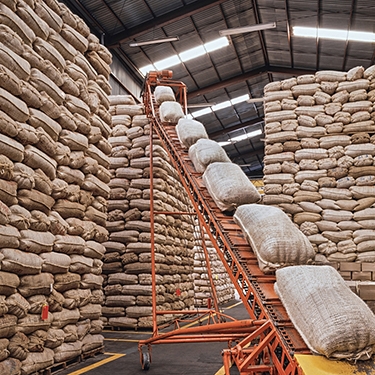
On behalf of a Canadian oilseed processer WPI's team provided market analysis, econometric modeling and financial due diligence in support of a $24 million-dollar investment in a Ukrainian crush plant. Consistent with WPI's findings, local production to supply the plant and the facility's output have expanded exponentially since the investment. WPI has conducted parallel work on behalf of U.S., South American and European clients, both private and public, in the agri-food space.