
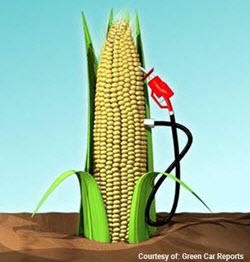
The old saying “can’t see the forest for the trees” may be apt for the ethanol outlook for the next few years. Indeed, there’s been a great deal of looking at such trees as year-round E15 usage, small refinery wavers, the 2020 required volumes, and the upcoming Renewable Fuel Standard (RFS) reset rule. Then there is the uncertain and volatile corn market that has dragged ethanol prices up and down this spring as well as the weather-related supply bottlenecks and, of course, the trade situation with China, formerly a top market for ethanol and DDGS exports. In the bigger picture (i.e., the forest), however, the ethanol sector finds itself in an overall supply-and-demand situation with petroleum that is bearish. While...


 ZanzibarMnemba Marine Parksouthern cassowary Mnemba Marine Park is located 10 kilometres (6 mi) from Stone Town and forms part of the northeastern Unguja Island. A marine reserve and atoll, its shallow stretch of coral reef is in the shape of an oval. It is located between Matemwe and Nungwi, w...


 content here...

 The magpie goose (Anseranas semipalmata) is the sole living representative species of the family Anseranatidae. This waterbird is found in northern Australia and southern New Guinea.[2] The species is not truly migratory but it sometimes travels large distances to find food and water, especiall...
 A pika (/ˈpaɪkə, ˈpiːkə/ PY-kə, PEE-kə[3][4]) is a small, mountain-dwelling mammal native to Asia and North America. With short limbs, a very round body, an even coat of fur, and no external tail, they resemble their close relative the rabbit, but with short, rounded ears.[5] The large-eared pi...

From WPI Consulting
Like all marmots
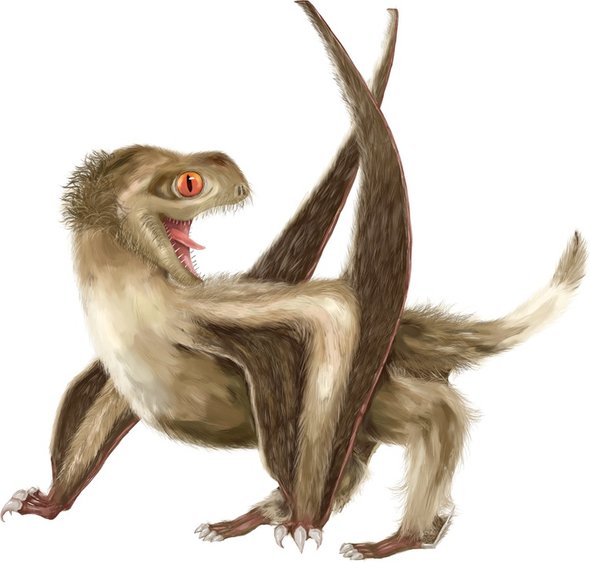
An adult Vancouver Island marmot typically measures 65 to 70 centimetres (26 to 28 in) from the tip of its nose to the tip of its tail.