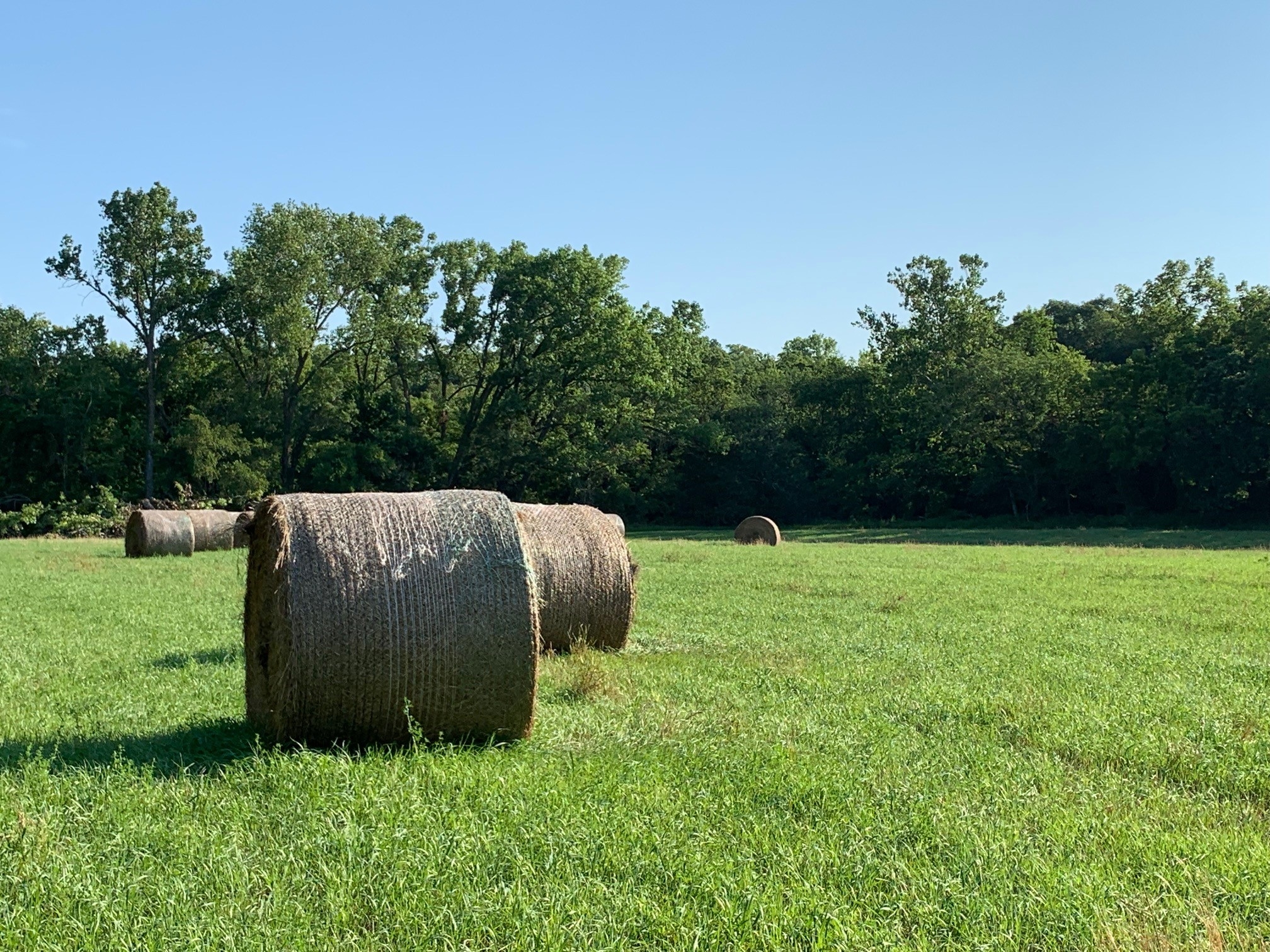
With Friday’s WASDE and crop production reports there was much attention, rightfully so, on corn and soybean yields. However, an important metric potentially overlooked for its impact on the cattle and dairy markets was the hay report. The hay production forecast was estimated as of 1 August and projects total U.S. hay production at 116.75 MMT, which is 96.6 percent of last year and 90 percent of the 2011-2020 10-year average. The hay crop year is April to May below is the updated balance sheet.
Depending on the region, drought in 2021 and 2022 have impacted either carry-in stocks, market year production, or both. The Dakotas and Iowa have fared well this year on hay production and supplies, but further west and in the South...


 Kiwengwa/Pongwe Forest Reserve Kiwengwa/Pongwe Forest Reserve is located on the northeast coast of Unguja, 20 kilometres (12 mi) from the Town. The reserve is an important biodiversity spot in the coral rag zone. The forest reserve is rich both in faunal and floral species. The faunal species r...

 The magpie goose (Anseranas semipalmata) is the sole living representative species of the family Anseranatidae. This waterbird is found in northern Australia and southern New Guinea.[2] The species is not truly migratory but it sometimes travels large distances to find food and water, especiall...
 The common ostrich (Struthio camelus), or simply ostrich, is a species of flightless bird native to certain areas of Africa (and historically, Arabia) and is the largest living species of bird. The common ostrich is one of two extant species of ostriches, the only living members of the genus St...
 A pika (/ˈpaɪkə, ˈpiːkə/ PY-kə, PEE-kə[3][4]) is a small, mountain-dwelling mammal native to Asia and North America. With short limbs, a very round body, an even coat of fur, and no external tail, they resemble their close relative the rabbit, but with short, rounded ears.[5] The large-eared pi...