
The FAO is set to release 2020 data on land clearing in Brazil but important to understanding the dynamic is its economics. University of Michigan economist Sebastian Sotelo and NYU’s Heitor Pellegrina find that Brazilians marching westward starting in the 1950’s is not unique in the human experience. The tripling of Europe’s population during the middle ages converted grasslands and forests. Western migration in the U.S. during the 18th and 19th centuries did the same. The Chinese more recently shifted from rural to eastern manufacturing and exporting centers. In the case of Brazil, the focus on soybeans, corn and beef helped to exploit comparative advantage relative to global demand. Notably, the authors fin...



 A federal appeals court paused a USITC ruling against President Trump’s use of Section 122 to impose 10-percent global tariffs. A bipartisan group of 80 House members asked USTR to investigate specialty crop imports from Mexico for unfair trade practices. India notified the WT...

From WPI Consulting
Infrastructure investment due diligence
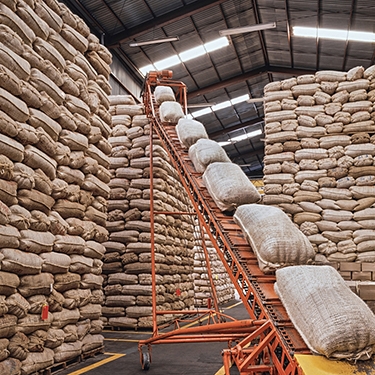
On behalf of a Canadian oilseed processer WPI's team provided market analysis, econometric modeling and financial due diligence in support of a $24 million-dollar investment in a Ukrainian crush plant. Consistent with WPI's findings, local production to supply the plant and the facility's output have expanded exponentially since the investment. WPI has conducted parallel work on behalf of U.S., South American and European clients, both private and public, in the agri-food space.