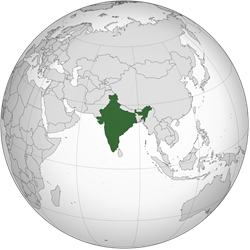
Dropping Rupee Impacts Imports and Economy The Indian rupee has continued to drop in value against the U.S. dollar. It is currently trading at 70.14 versus the USD, and the depreciation is now at 10.30 percent. As noted in the 29 June 2018 report (click here), the Indian rupee had at that time lost 7.7 percent of its value against the USD since 1 January 2018 and was thought then to have found its bottom. In the past month alone, however, the rupee has depriciated 2.39 percent, making it the most vulnerable and worst performer in Asia.
This is a difficult situation, according to experts, as imports will be expensive. This is especially the case with crude oil, which has touched $70/barrel. India’s vegetable oil imports are a...



 content here...

 The magpie goose (Anseranas semipalmata) is the sole living representative species of the family Anseranatidae. This waterbird is found in northern Australia and southern New Guinea.[2] The species is not truly migratory but it sometimes travels large distances to find food and water, especiall...
 A pika (/ˈpaɪkə, ˈpiːkə/ PY-kə, PEE-kə[3][4]) is a small, mountain-dwelling mammal native to Asia and North America. With short limbs, a very round body, an even coat of fur, and no external tail, they resemble their close relative the rabbit, but with short, rounded ears.[5] The large-eared pi...