
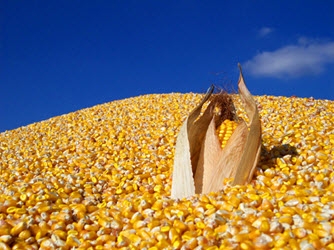
Japan’s population is declining by a half percent per year and will be 2 million smaller this year than in 2020. Nearly a third of the population is over 65 years of age, adding to the lower food demand factors. Yet the latest Global Agricultural Information Network report from the Foreign Agricultural Service indicates Japan’s corn imports and consumption will be the highest since 2020/21. This is occurring at the same time wheat and rice consumption contracted the way demographics suggest they should. The difference is that the nation’s poultry flocks are recovering after avian influenza caused 1.6 percent drop in the flock in 2022. FAO data indicates the animal protein supply has increased even as the population has go...


 Kiwengwa/Pongwe Forest Reserve Kiwengwa/Pongwe Forest Reserve is located on the northeast coast of Unguja, 20 kilometres (12 mi) from the Town. The reserve is an important biodiversity spot in the coral rag zone. The forest reserve is rich both in faunal and floral species. The faunal species r...


 The magpie goose (Anseranas semipalmata) is the sole living representative species of the family Anseranatidae. This waterbird is found in northern Australia and southern New Guinea.[2] The species is not truly migratory but it sometimes travels large distances to find food and water, especiall...
 The Olympic marmot (Marmota olympus) is a rodent in the squirrel family, Sciuridae. It occurs only in the U.S. state of Washington, at the middle elevations of the Olympic Peninsula. The closest relatives of this species are the hoary marmot and the Vancouver Island marmot. In 2009, it was decl...


From WPI Consulting
Like all marmots
An adult Vancouver Island marmot typically measures 65 to 70 centimetres (26 to 28 in) from the tip of its nose to the tip of its tail.