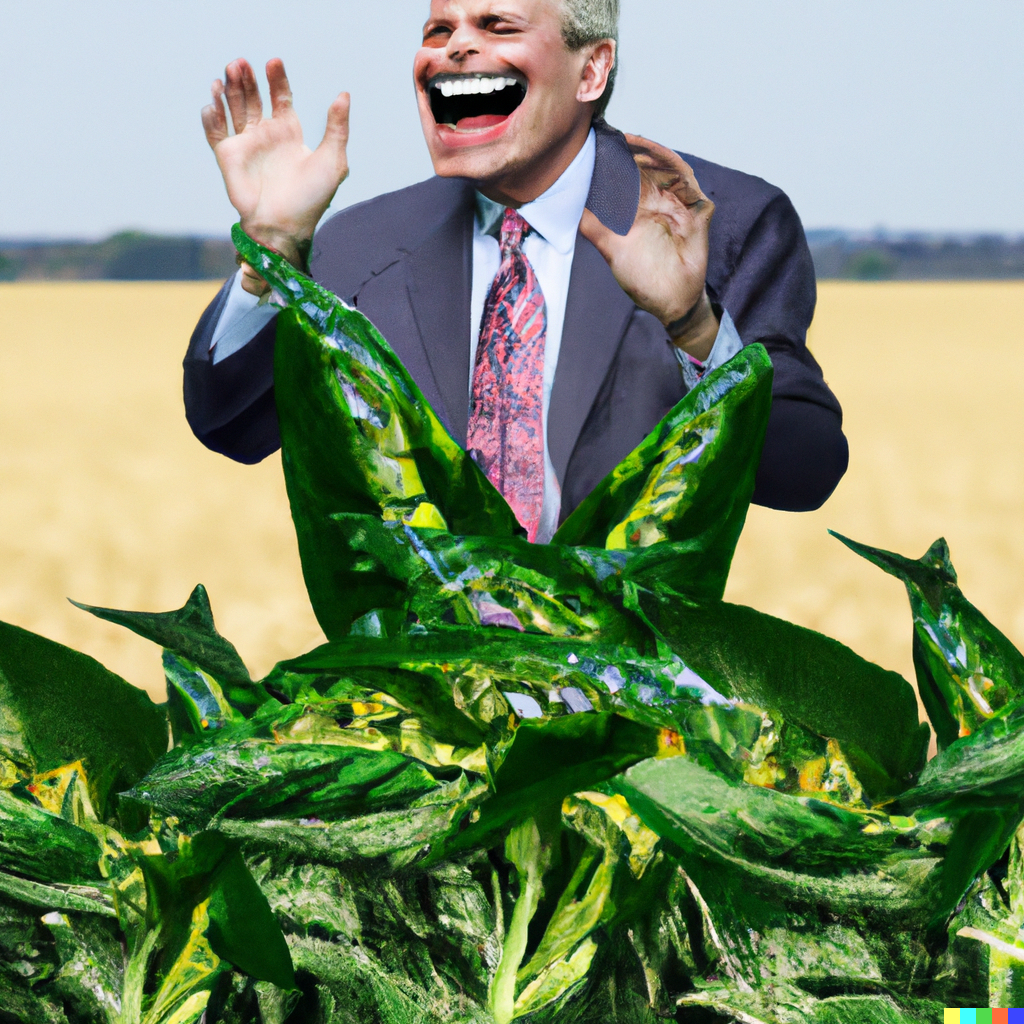
King corn is losing a battle with Queen soybeans, and this has activated the politicians for another round of support. Renewable diesel is projected to increase five-fold from 1 billion to 5 billion gallons by 2026. Almost $2.6 billion is being invested in increased soybean crush capacity to meet this demand. It will require around 1.5 billion additional bushels of soybeans and creates three problems for corn:
An edge in the battle for acres. Demand drives up profitability and farmers will grow beans instead of corn. Increased competition around coproducts. There will be a surplus of 35 million short tons of soybean meal competing with DDGS. Winning RINs. Renewable biodiesel has a better GHG reduction value and its RINs will outc...


 ZanzibarMnemba Marine Parksouthern cassowary Mnemba Marine Park is located 10 kilometres (6 mi) from Stone Town and forms part of the northeastern Unguja Island. A marine reserve and atoll, its shallow stretch of coral reef is in the shape of an oval. It is located between Matemwe and Nungwi, w...


 content here...

 The magpie goose (Anseranas semipalmata) is the sole living representative species of the family Anseranatidae. This waterbird is found in northern Australia and southern New Guinea.[2] The species is not truly migratory but it sometimes travels large distances to find food and water, especiall...
 A pika (/ˈpaɪkə, ˈpiːkə/ PY-kə, PEE-kə[3][4]) is a small, mountain-dwelling mammal native to Asia and North America. With short limbs, a very round body, an even coat of fur, and no external tail, they resemble their close relative the rabbit, but with short, rounded ears.[5] The large-eared pi...