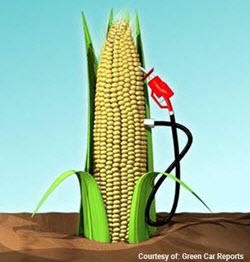
On 1 June, a bipartisan group of 21 members of the House of Representatives asked USTR to address Brazil’s treatment of U.S. ethanol, specifically a reinstatement of tariffs and access to Brazil’s carbon credit program for ethanol. Between the tariff and lack of access to the credit program, U.S. exports to Brazil have effectively been cut off.
First, the tariffs. From 2012 to 2017, U.S. ethanol entered Brazil tariff-free. In 2017, Brazil imposed an annual TRQ of 600 million liters (158 million gallons) on ethanol imports from 1 September 2017 through 31 August 2019. Any volume above the quota was subject to the 20 percent Common External Tariff (CET) under the Mercosur agreement. That tariff was reassessed 24 months after im...


 ZanzibarMnemba Marine Parksouthern cassowary Mnemba Marine Park is located 10 kilometres (6 mi) from Stone Town and forms part of the northeastern Unguja Island. A marine reserve and atoll, its shallow stretch of coral reef is in the shape of an oval. It is located between Matemwe and Nungwi, w...


 content here...

 The magpie goose (Anseranas semipalmata) is the sole living representative species of the family Anseranatidae. This waterbird is found in northern Australia and southern New Guinea.[2] The species is not truly migratory but it sometimes travels large distances to find food and water, especiall...
 A pika (/ˈpaɪkə, ˈpiːkə/ PY-kə, PEE-kə[3][4]) is a small, mountain-dwelling mammal native to Asia and North America. With short limbs, a very round body, an even coat of fur, and no external tail, they resemble their close relative the rabbit, but with short, rounded ears.[5] The large-eared pi...