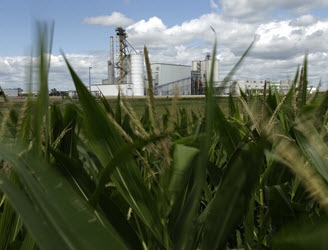
As of last week, according to the Renewable Fuel Association (RFA), 73 of the nation’s 200 ethanol plants are idled and 70 percent are operating at reduced capacity. This would imply that 57 are still operating at normal output levels. Those plants have seen their gross margins bounce on DDGS and distillers corn oil prices, and a drop in corn and natural gas costs.
However, as an industry, the picture is bleak when extrapolating the margins across production levels and comparing to the industry’s sunk capital and fixed costs.
Demand for motor fuel has hit its lowest levels in decades because of the limits on travel and the general economic slowdown caused by the mitigation efforts for COVID-19. Now that we’re c...


 ZanzibarMnemba Marine Parksouthern cassowary Mnemba Marine Park is located 10 kilometres (6 mi) from Stone Town and forms part of the northeastern Unguja Island. A marine reserve and atoll, its shallow stretch of coral reef is in the shape of an oval. It is located between Matemwe and Nungwi, w...


 content here...

 The magpie goose (Anseranas semipalmata) is the sole living representative species of the family Anseranatidae. This waterbird is found in northern Australia and southern New Guinea.[2] The species is not truly migratory but it sometimes travels large distances to find food and water, especiall...
 A pika (/ˈpaɪkə, ˈpiːkə/ PY-kə, PEE-kə[3][4]) is a small, mountain-dwelling mammal native to Asia and North America. With short limbs, a very round body, an even coat of fur, and no external tail, they resemble their close relative the rabbit, but with short, rounded ears.[5] The large-eared pi...