


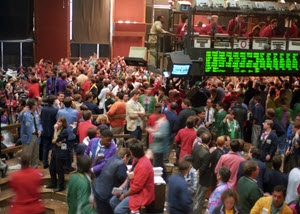
Note that the CBOT markets will be closed on Monday, 20 January 2020 for the Martin Luther King Jr. holiday. The CBOT traded another volatile day with corn erasing yesterday’s steep losses and wheat, soybeans, and soyoil all finishing higher as well. Rumors of Chinese corn and sorghum purchases created a short-covering mood in the corn pit that would continue through the day. Floor brokers suggest funds bought 15,000-17,000 contracts of corn – 50 percent more than they were estimated to have sold yesterday! Traders are likely finding it hard to be short ag products with a Phase One deal in place and Chinese purchases now being made on (mostly) pure economics. As WPI’s Jody Lefcourt noted today, yesterday’s mar...


 Kiwengwa/Pongwe Forest Reserve Kiwengwa/Pongwe Forest Reserve is located on the northeast coast of Unguja, 20 kilometres (12 mi) from the Town. The reserve is an important biodiversity spot in the coral rag zone. The forest reserve is rich both in faunal and floral species. The faunal species r...
 Fabiana is a genus of flowering plants in the nightshade family, native to dry slopes in western South America.[1] They are evergreen shrubs or subshrubs,[1] with needle-like leaves and profuse tiny tubular flowers in summer. The common name is false heath because the leaves superficially resem...
 An Ankylosaurus lumbers along the shore of what’s now eastern Montana. Walking low to the ground, the dino uses its flat, leaf-shaped teeth to tear at ferns lining the water. Suddenly, a shadow looms over the herbivore—a Tyrannosaurus rex is hungry. But Ankylosaurus won’t be a...

From WPI Consulting
Accountability and a comprehensive approach to export programming

WPI’s team helped construct a strategic approach to develop, implement, and track promotional activities in 8 key regions across the globe for an agricultural export association. With continued progress measurement and strategic advisory services from WPI, the association has seen its ROI from investments in promotional programming increase by 44 percent over the past 5 years. Not only does this type of holistic approach to organizational strategy provide measurable results to track and analyze, it fosters top-down and bottom-up organizational accountability.