



Trading started out on a firmer note before bulls backed off and let prices drift lower into the close. The trade is cautious of being too bullish about the October WASDE, having projected bullish statistics for almost every report this summer, only to have USDA release big crop/big stocks numbers. There is certainly room for yields to fall due to the ongoing early snowstorm, but that damage won’t be known until well after the October WASDE and USDA will not incorporate it into tomorrow’s projections. The weather remains broadly supportive with the U.S. snowstorm likely to cause significant lodging amid other problems. Conversely, Brazil and Argentina remain too dry, though yield potential reductions won’t be known...



 ZanzibarMnemba Marine Parksouthern cassowary Mnemba Marine Park is located 10 kilometres (6 mi) from Stone Town and forms part of the northeastern Unguja Island. A marine reserve and atoll, its shallow stretch of coral reef is in the shape of an oval. It is located between Matemwe and Nungwi, w...
 Kiwengwa/Pongwe Forest Reserve Kiwengwa/Pongwe Forest Reserve is located on the northeast coast of Unguja, 20 kilometres (12 mi) from the Town. The reserve is an important biodiversity spot in the coral rag zone. The forest reserve is rich both in faunal and floral species. The faunal species r...


 content here...

From WPI Consulting
Infrastructure investment due diligence
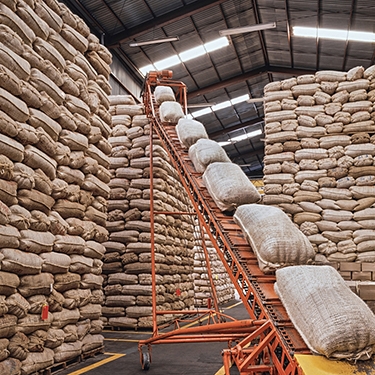
On behalf of a Canadian oilseed processer WPI's team provided market analysis, econometric modeling and financial due diligence in support of a $24 million-dollar investment in a Ukrainian crush plant. Consistent with WPI's findings, local production to supply the plant and the facility's output have expanded exponentially since the investment. WPI has conducted parallel work on behalf of U.S., South American and European clients, both private and public, in the agri-food space.