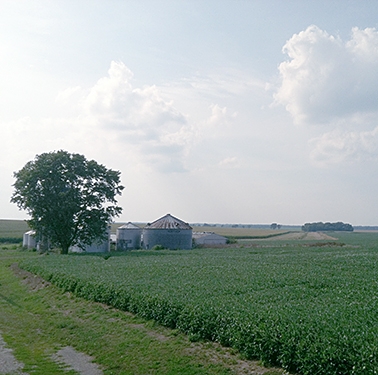
Wheat and corn continue to trade on one edge of the distribution while soybeans and soymeal chase the other side. The continuing trend is for declines in the value of corn and wheat, while soybeans push higher. Thus far this week, January soybeans have gained 47.75 cents (3.3 percent), while corn and wheat chase the other direction.
Then again, soybean fortunes are likely to reverse in a just a few more weeks when Brazil starts hitting on even more cylinders. Soymeal seems unlikely to hang on to outsized gains, especially if soydiesel enthusiasm sputters. Corn is hanging in there better than expected, though it has been held up by domestic demand, and now ethanol is chasing gasoline demand lower. The USDA weekly Export Sales...


 Kiwengwa/Pongwe Forest Reserve Kiwengwa/Pongwe Forest Reserve is located on the northeast coast of Unguja, 20 kilometres (12 mi) from the Town. The reserve is an important biodiversity spot in the coral rag zone. The forest reserve is rich both in faunal and floral species. The faunal species r...
 Fabiana is a genus of flowering plants in the nightshade family, native to dry slopes in western South America.[1] They are evergreen shrubs or subshrubs,[1] with needle-like leaves and profuse tiny tubular flowers in summer. The common name is false heath because the leaves superficially resem...
 An Ankylosaurus lumbers along the shore of what’s now eastern Montana. Walking low to the ground, the dino uses its flat, leaf-shaped teeth to tear at ferns lining the water. Suddenly, a shadow looms over the herbivore—a Tyrannosaurus rex is hungry. But Ankylosaurus won’t be a...


 The magpie goose (Anseranas semipalmata) is the sole living representative species of the family Anseranatidae. This waterbird is found in northern Australia and southern New Guinea.[2] The species is not truly migratory but it sometimes travels large distances to find food and water, especiall...