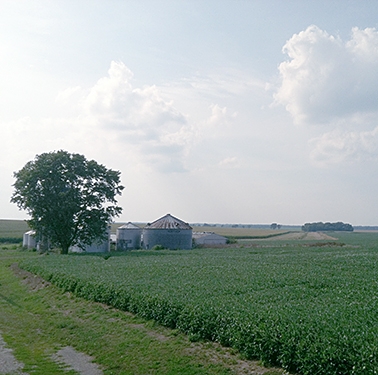
The WASDE was undeniably bearish with December corn and November soybean futures reaching new contract lows (actually, soybeans hit the low before and after the WASDE’s release), while wheat futures were down double-digits in response to the latest news. The headline numbers cratering the markets were record-breaking U.S. corn and soybean yields and month-over-month production ending stocks/use increases. Outside the U.S., across-the-board increases in world ending stocks from the August WASDE pressured markets.
Wall Street is higher as of this writing with the Dow and S&P 500 indexes up fractionally and the U.S. Dollar Index up 5 points. Rumors that the U.S. and China could be resuming trade talks briefly boosted the markets...



 ZanzibarMnemba Marine Parksouthern cassowary Mnemba Marine Park is located 10 kilometres (6 mi) from Stone Town and forms part of the northeastern Unguja Island. A marine reserve and atoll, its shallow stretch of coral reef is in the shape of an oval. It is located between Matemwe and Nungwi, w...

 A microlith is a small stone tool usually made of flint or chert and typically several centimeters in length and half a centimetre wide. They were made by humans from at least the Upper Paleolithic, across Africa, Europe, Asia and Australia. The microliths were used in spear points and arrowhea...
 Kiwengwa/Pongwe Forest Reserve Kiwengwa/Pongwe Forest Reserve is located on the northeast coast of Unguja, 20 kilometres (12 mi) from the Town. The reserve is an important biodiversity spot in the coral rag zone. The forest reserve is rich both in faunal and floral species. The faunal species r...