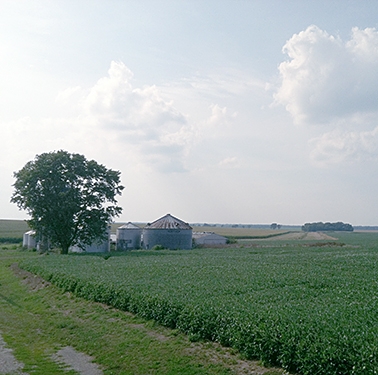
Wheat The outlook for wheat continues to get more complicated with rains failing to arrive and temperatures beginning to rise, thus increasing the crop's water requirements. Some light rains fell at the end of the weekend, but fields generally have very little water, with insignificant or insufficient moisture reserves in most of the wheat area.
The drought is sufficient to have some analysts already discussing a wheat crop of 17-17.5 MMT, which sounds optimistic to WPI, unless there is a radical change in precipitation patterns in the coming days. The crop in the core zone is the most affected, and the share of wheat fields rated in regular/bad condition rose from 54 percent last week to 70 percent this week. In some...


 Kiwengwa/Pongwe Forest Reserve Kiwengwa/Pongwe Forest Reserve is located on the northeast coast of Unguja, 20 kilometres (12 mi) from the Town. The reserve is an important biodiversity spot in the coral rag zone. The forest reserve is rich both in faunal and floral species. The faunal species r...
 Fabiana is a genus of flowering plants in the nightshade family, native to dry slopes in western South America.[1] They are evergreen shrubs or subshrubs,[1] with needle-like leaves and profuse tiny tubular flowers in summer. The common name is false heath because the leaves superficially resem...
 An Ankylosaurus lumbers along the shore of what’s now eastern Montana. Walking low to the ground, the dino uses its flat, leaf-shaped teeth to tear at ferns lining the water. Suddenly, a shadow looms over the herbivore—a Tyrannosaurus rex is hungry. But Ankylosaurus won’t be a...