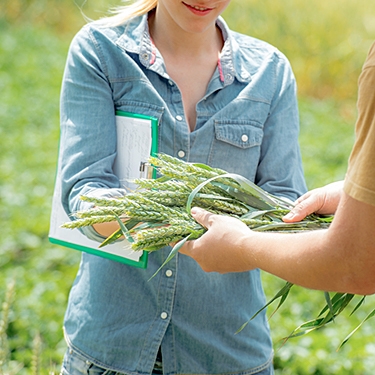
Wheat Despite drought in Argentina that came during the early phases of the wheat crop, rains appeared during the critical yield-defining periods and boosted yield potential. Consequently, the Buenos Aires Grain Exchange increased its crop estimate from 19.2 to 19.8 MMT for MY 2021/22.
Almost all of Argentina’s agricultural area experienced high temperatures (close to 40°C) in the past few days. The combination of dry soil and high temperatures might have caused the wheat crop to stop filling grain early, which may lower yields. Currently, crop and soil moisture conditions vary between plots and each farmer is analyzing whether yields will be affected. WPI does not expect significant yield reductions but that can only be confi...



 ZanzibarMnemba Marine Parksouthern cassowary Mnemba Marine Park is located 10 kilometres (6 mi) from Stone Town and forms part of the northeastern Unguja Island. A marine reserve and atoll, its shallow stretch of coral reef is in the shape of an oval. It is located between Matemwe and Nungwi, w...
 Kiwengwa/Pongwe Forest Reserve Kiwengwa/Pongwe Forest Reserve is located on the northeast coast of Unguja, 20 kilometres (12 mi) from the Town. The reserve is an important biodiversity spot in the coral rag zone. The forest reserve is rich both in faunal and floral species. The faunal species r...
 Fabiana is a genus of flowering plants in the nightshade family, native to dry slopes in western South America.[1] They are evergreen shrubs or subshrubs,[1] with needle-like leaves and profuse tiny tubular flowers in summer. The common name is false heath because the leaves superficially resem...