


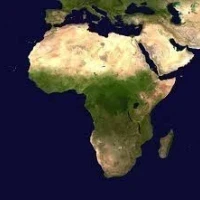
Mediterranean/Middle East/North Africa/Africa – MEA Region Tunisia’s cereal production in 2025 has improved due to better rainfall, according to the FAO, with wheat production up by 8.7 percent to 1.25 MMT and barley production up by 26.7 percent to 380,000 MT. Cereals imports for 2025/26 are expected to drop to about 3.6 MMT, down by about 5 percent, with 2.0 MMT being wheat imports. Turkish maize farmers in the Izmir area are switching to growing sorghum due to its much higher drought resistance. The Izmir area is very important in the Turkish dairy industry as it is the home to 480,000 dairy cattle that normally consume as much as 3.45 MMT of corn silage – drought has made the corn silage production much less profitable...


 Kiwengwa/Pongwe Forest Reserve Kiwengwa/Pongwe Forest Reserve is located on the northeast coast of Unguja, 20 kilometres (12 mi) from the Town. The reserve is an important biodiversity spot in the coral rag zone. The forest reserve is rich both in faunal and floral species. The faunal species r...
 Fabiana is a genus of flowering plants in the nightshade family, native to dry slopes in western South America.[1] They are evergreen shrubs or subshrubs,[1] with needle-like leaves and profuse tiny tubular flowers in summer. The common name is false heath because the leaves superficially resem...

From WPI Consulting
Accountability and a comprehensive approach to export programming

WPI’s team helped construct a strategic approach to develop, implement, and track promotional activities in 8 key regions across the globe for an agricultural export association. With continued progress measurement and strategic advisory services from WPI, the association has seen its ROI from investments in promotional programming increase by 44 percent over the past 5 years. Not only does this type of holistic approach to organizational strategy provide measurable results to track and analyze, it fosters top-down and bottom-up organizational accountability.