


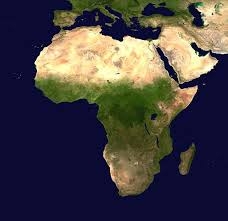
Regional Updates MIDDLE EAST/MEDITERRANEAN COMMENTS Iran’s SLAL did not buy any barley in its 200,000 MT tender last week. While some say that financing problems stopped the purchase, others maintain that the prices were just too high. U.S. sanctions were also said to be part of the financing issue as international banks are concerned about their application. Russia is pushing hard to be allowed in Algeria and Saudi Arabia. Trade experts say that with its wheat going into Tunisia, Libya, Morocco, Egypt and Jordan, there is probably not much justification to keep it out of other markets in the Middle East/North Africa (MENA) region. It is possible that Algeria may find a reason to slightly modify its strict requirement on the permit...


 Kiwengwa/Pongwe Forest Reserve Kiwengwa/Pongwe Forest Reserve is located on the northeast coast of Unguja, 20 kilometres (12 mi) from the Town. The reserve is an important biodiversity spot in the coral rag zone. The forest reserve is rich both in faunal and floral species. The faunal species r...


 content here...
 Fabiana is a genus of flowering plants in the nightshade family, native to dry slopes in western South America.[1] They are evergreen shrubs or subshrubs,[1] with needle-like leaves and profuse tiny tubular flowers in summer. The common name is false heath because the leaves superficially resem...

From WPI Consulting
Forecasting developments in production agriculture
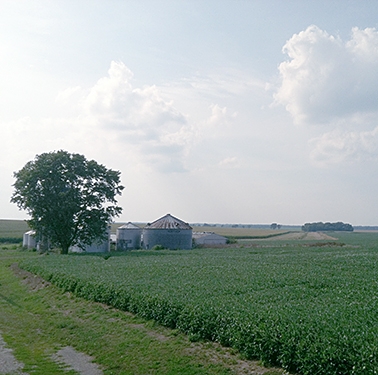
On behalf of a private U.S. agricultural technology provider, WPI’s team generated an econometric model to forecast the movement of concentrated corn production north and west from the traditional U.S. Corn Belt. WPI’s model has subsequently provided quantitative support to a multi-million-dollar investment into short-season corn variety development. WPI’s methodology included a series of interviews with regional grain elevators and seed consultants. Emphasizing outreach and communication with stakeholders who possess intimate sectoral knowledge – on-the-ground insights – is a regular component of WPI’s methodologies, made possible by WPI’s ever-growing network of industry contacts.