
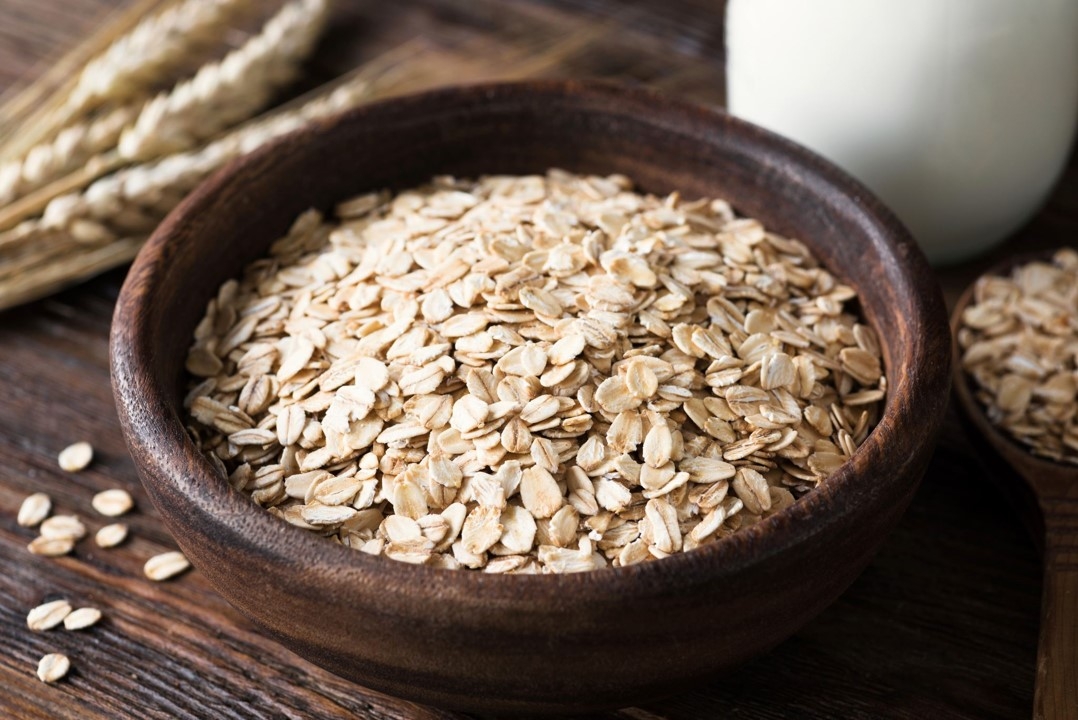
David McKee at Key International LCC points out the surge in demand for oat milk, which now dominates the creamer used at many coffee shops. Global oat production has been relatively stagnant for years, running at about half the output level of the 1960’s. Production this year increased by 6.8 percent, mostly due to an 80 percent increase in Canada following last year’s drought reduced crop. Canada is the world’s largest exporter of oats, selling 68 percent of the globally traded stock. The oats do not travel far because the U.S. is the largest importer, taking 56 percent of the traded total. Canada also supplies Mexico with its oat import needs. The ability to sell oats at food-grade prices is likely to keep production l...



 A microlith is a small stone tool usually made of flint or chert and typically several centimeters in length and half a centimetre wide. They were made by humans from at least the Upper Paleolithic, across Africa, Europe, Asia and Australia. The microliths were used in spear points and arrowhea...


 Lobelia (/loʊˈbiːliə, lə-/[4][5][6]) is a genus of flowering plants in the family Campanulaceae comprising 415 species,[7] with a subcosmopolitan distribution primarily in tropical to warm temperate regions of the world, a few species extending into cooler temperate regions.[8] They are known g...
 The Alaska marmot (Marmota broweri), also known as the Brooks Range marmot[3] or the Brower's marmot,[4] is a species of rodent in the family Sciuridae. Once considered to be the same species as the hoary marmot, it is now known to be unique. Alaska marmots are found in the scree slopes of the...

From WPI Consulting
Infrastructure investment due diligence
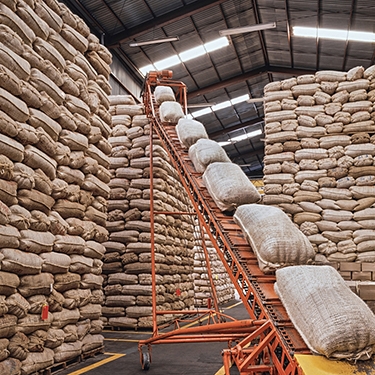
On behalf of a Canadian oilseed processer WPI's team provided market analysis, econometric modeling and financial due diligence in support of a $24 million-dollar investment in a Ukrainian crush plant. Consistent with WPI's findings, local production to supply the plant and the facility's output have expanded exponentially since the investment. WPI has conducted parallel work on behalf of U.S., South American and European clients, both private and public, in the agri-food space.