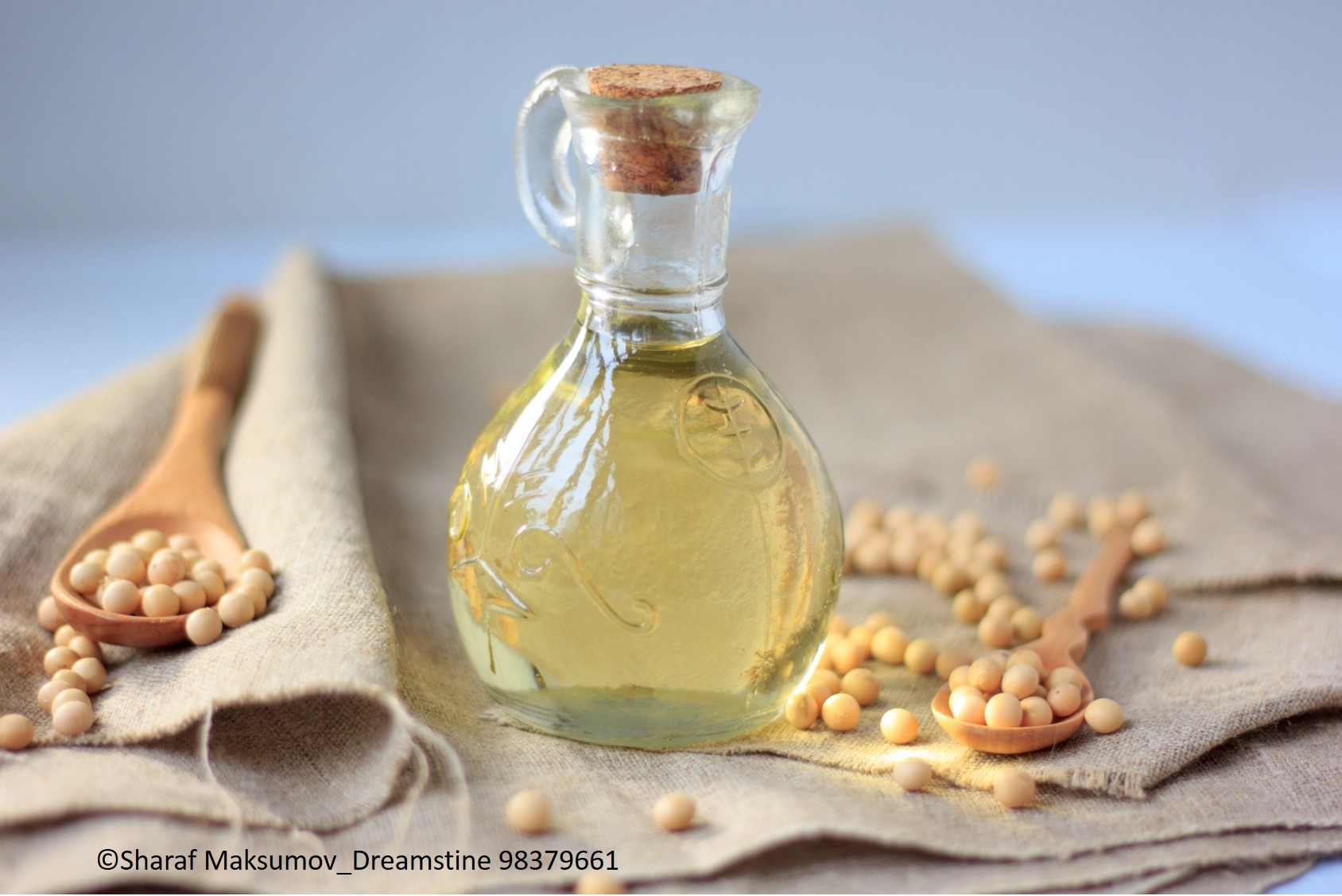
Today’s USDA WASDE report did not include any major unexpected changes in the supply and demand situation for the soy sector. U.S. soybean exports in 2019/20 were reduced, but U.S. soybean crush was increased as were U.S. soyoil exports. Overall, the report was relatively neutral to slightly positive. Some of the more significant changes in the report were the following for MY 2019/20:
U.S. soybean production in 2019 was reduced by 5 million bushels (96.68 MMT) after resurveying producers in the northern plains.
U.S. soybean exports were reduced by 25 million bushels to 1.65 billion bushels (44.91 MMT). That was expected based on the slow pace of U.S. soybean export thus far.
U.S. soybean crush was increased by 1...



 ZanzibarMnemba Marine Parksouthern cassowary Mnemba Marine Park is located 10 kilometres (6 mi) from Stone Town and forms part of the northeastern Unguja Island. A marine reserve and atoll, its shallow stretch of coral reef is in the shape of an oval. It is located between Matemwe and Nungwi, w...

 Kiwengwa/Pongwe Forest Reserve Kiwengwa/Pongwe Forest Reserve is located on the northeast coast of Unguja, 20 kilometres (12 mi) from the Town. The reserve is an important biodiversity spot in the coral rag zone. The forest reserve is rich both in faunal and floral species. The faunal species r...
 Fabiana is a genus of flowering plants in the nightshade family, native to dry slopes in western South America.[1] They are evergreen shrubs or subshrubs,[1] with needle-like leaves and profuse tiny tubular flowers in summer. The common name is false heath because the leaves superficially resem...