


U.S. Soybean Crop Condition Continues to Deteriorate Yesterday's USDA crop condition report indicated the overall condition of the U.S. soybean crop continued to decline in the past week. The report indicated that 31 percent of U.S. soybeans were rated as either good or excellent in the week ending 22 July. The share rated as poor or very poor was 35 percent versus 30 percent last week. A year ago, 62 percent of the crop was rated as good or excellent and only 11 percent were rated as poor or very poor.The states with the largest share rated as poor or very poor in yesterday's report were Missouri (68 percent), Kentucky (54 percent), Indiana (53 percent), Kansas (51 percent), Illinois (49 percent) and Ohio (44 percent). The states with t...



 A microlith is a small stone tool usually made of flint or chert and typically several centimeters in length and half a centimetre wide. They were made by humans from at least the Upper Paleolithic, across Africa, Europe, Asia and Australia. The microliths were used in spear points and arrowhea...
 Kiwengwa/Pongwe Forest Reserve Kiwengwa/Pongwe Forest Reserve is located on the northeast coast of Unguja, 20 kilometres (12 mi) from the Town. The reserve is an important biodiversity spot in the coral rag zone. The forest reserve is rich both in faunal and floral species. The faunal species r...
 Fabiana is a genus of flowering plants in the nightshade family, native to dry slopes in western South America.[1] They are evergreen shrubs or subshrubs,[1] with needle-like leaves and profuse tiny tubular flowers in summer. The common name is false heath because the leaves superficially resem...


From WPI Consulting
Forecasting developments in production agriculture
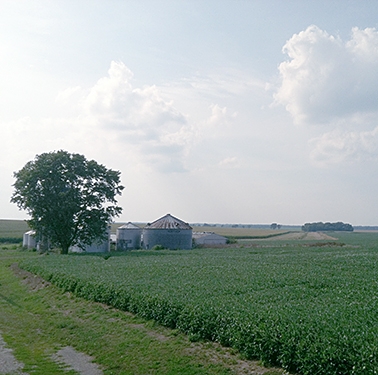
On behalf of a private U.S. agricultural technology provider, WPI’s team generated an econometric model to forecast the movement of concentrated corn production north and west from the traditional U.S. Corn Belt. WPI’s model has subsequently provided quantitative support to a multi-million-dollar investment into short-season corn variety development. WPI’s methodology included a series of interviews with regional grain elevators and seed consultants. Emphasizing outreach and communication with stakeholders who possess intimate sectoral knowledge – on-the-ground insights – is a regular component of WPI’s methodologies, made possible by WPI’s ever-growing network of industry contacts.