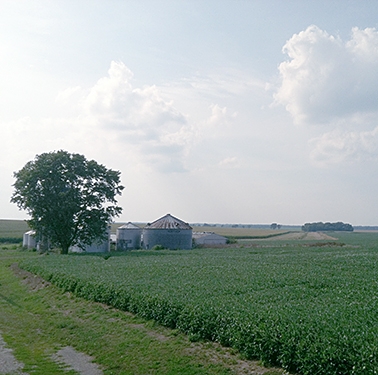
USDA's May 2015 supply and distribution report was released today, which includes the first estimates for MY 2015/16. Many changes are likely over the next several months, but there were some items of significance to the oilseeds sector. Oilseed Highlights from USDA WASDE Report USDA today released its May 2015 supply and distribution report that includes the first estimates for MY 2015/16. There will undoubtedly be many changes to these forecasts over the next several months, but the initial numbers are always instructive as to what may occur. Below are the items that I have identified of significance in the report with respect to the oilseeds sector:MY 2014/15
The U.S. domestic soybean crush was increased by 10 million bushels to 1.8...


 ZanzibarMnemba Marine Parksouthern cassowary Mnemba Marine Park is located 10 kilometres (6 mi) from Stone Town and forms part of the northeastern Unguja Island. A marine reserve and atoll, its shallow stretch of coral reef is in the shape of an oval. It is located between Matemwe and Nungwi, w...


 A microlith is a small stone tool usually made of flint or chert and typically several centimeters in length and half a centimetre wide. They were made by humans from at least the Upper Paleolithic, across Africa, Europe, Asia and Australia. The microliths were used in spear points and arrowhea...
 Kiwengwa/Pongwe Forest Reserve Kiwengwa/Pongwe Forest Reserve is located on the northeast coast of Unguja, 20 kilometres (12 mi) from the Town. The reserve is an important biodiversity spot in the coral rag zone. The forest reserve is rich both in faunal and floral species. The faunal species r...


 content here...