

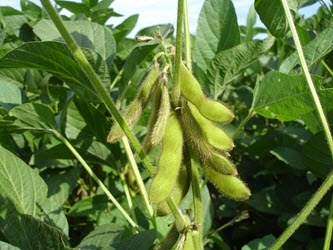
China Eliminates Animal Feed Tariffs for Five Countries The Chinese government announced today that it will eliminate tariffs on imports of soybeans, soymeal, rapeseed, and fishmeal from Bangladesh, India, Laos, South Korea and Sri Lanka on 1 July. It apparently believes that this will help meet the animal feed needs of the country’s livestock and poultry sectors, which will face major problems if China imposes the threatened 25 percent tariff on U.S. soybeans on 6 July. The problem for China is that it probably won’t be able acquire many feed ingredients from those countries. Sri Lanka, Bangladesh and South Korea are net importers of soybeans and soymeal. USDA indicates India will export 1.5 MMT of soymeal, 400,000 MT of rape...


 ZanzibarMnemba Marine Parksouthern cassowary Mnemba Marine Park is located 10 kilometres (6 mi) from Stone Town and forms part of the northeastern Unguja Island. A marine reserve and atoll, its shallow stretch of coral reef is in the shape of an oval. It is located between Matemwe and Nungwi, w...


 content here...
 Fabiana is a genus of flowering plants in the nightshade family, native to dry slopes in western South America.[1] They are evergreen shrubs or subshrubs,[1] with needle-like leaves and profuse tiny tubular flowers in summer. The common name is false heath because the leaves superficially resem...

From WPI Consulting
Accountability and a comprehensive approach to export programming

WPI’s team helped construct a strategic approach to develop, implement, and track promotional activities in 8 key regions across the globe for an agricultural export association. With continued progress measurement and strategic advisory services from WPI, the association has seen its ROI from investments in promotional programming increase by 44 percent over the past 5 years. Not only does this type of holistic approach to organizational strategy provide measurable results to track and analyze, it fosters top-down and bottom-up organizational accountability.