
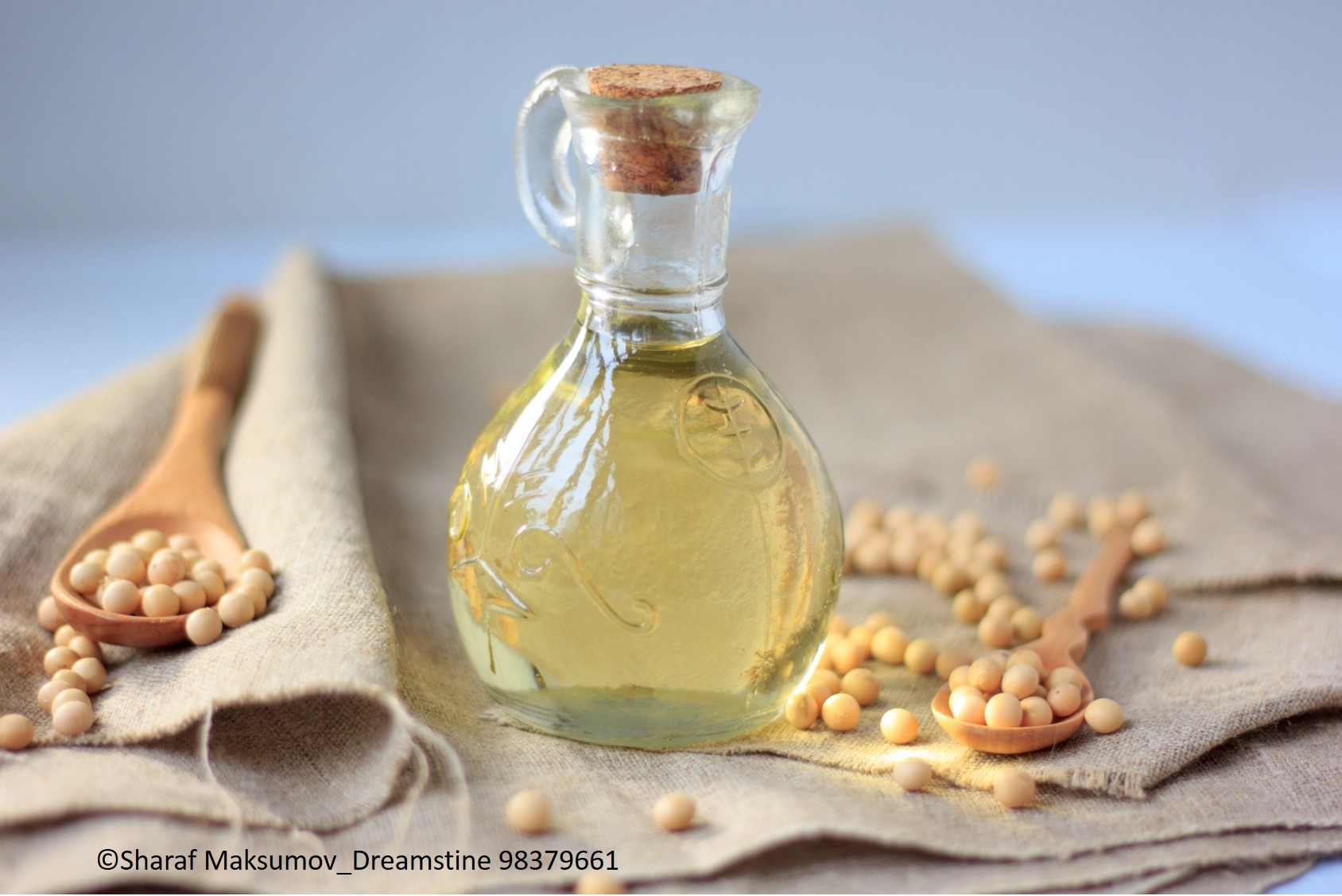
A Good Week for U.S. Soy Exporters Today’s USDA/FAS export sales report indicated exporters of U.S. soybeans, soymeal, and soyoil had great success in the week ending 7 January. Sales of soybeans were high for this point in the marketing year and export sales of soymeal were a marketing year high. Soyoil exports were up sharply as well. Net soybean export sales for shipment in 2020/21 totaled 908,000 MT, an increase of 93 percent from the past four-week average. The top sales were for China (758,300 MT), Spain (143,000 MT), Mexico (98,100 MT), the Netherlands (85,500 MT), Pakistan (70,100 MT), and Germany (69,300 MT). Sales for shipment in 2021/22 totaled 326,000 MT with 260,000 MT for unknown destinations and 66,000 MT for China. S...


 Fabiana is a genus of flowering plants in the nightshade family, native to dry slopes in western South America.[1] They are evergreen shrubs or subshrubs,[1] with needle-like leaves and profuse tiny tubular flowers in summer. The common name is false heath because the leaves superficially resem...

 A pika (/ˈpaɪkə, ˈpiːkə/ PY-kə, PEE-kə[3][4]) is a small, mountain-dwelling mammal native to Asia and North America. With short limbs, a very round body, an even coat of fur, and no external tail, they resemble their close relative the rabbit, but with short, rounded ears.[5] The large-eared pi...


 Lobelia (/loʊˈbiːliə, lə-/[4][5][6]) is a genus of flowering plants in the family Campanulaceae comprising 415 species,[7] with a subcosmopolitan distribution primarily in tropical to warm temperate regions of the world, a few species extending into cooler temperate regions.[8] They are known g...

From WPI Consulting
Accountability and a comprehensive approach to export programming

WPI’s team helped construct a strategic approach to develop, implement, and track promotional activities in 8 key regions across the globe for an agricultural export association. With continued progress measurement and strategic advisory services from WPI, the association has seen its ROI from investments in promotional programming increase by 44 percent over the past 5 years. Not only does this type of holistic approach to organizational strategy provide measurable results to track and analyze, it fosters top-down and bottom-up organizational accountability.