

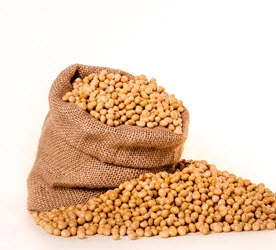
Relatively Few Significant Changes to Soy Sector in WASDE USDA made very few changes to its supply and distribution tables for the soy sector in the April WASDE, but among the few significant revisions to its estimates were the following: - Brazil’s 2018 soybean crop was raised from 120.07 MMT to 122 MMT, which helps explain how it was able to boost its exports by 15.39 MMT from MY 2017/18 to 84.199 MMT in MY 2018/19. - Brazil’s 2019 soybean crop was increased from 116.5 MMT to 117 MMT, just slightly higher than most estimates emanating from there. Late season weather was good, and the crop was better than earlier expected. - U.S. soybean ending stocks on 31 August 2019 were reduced by 5 million bushels to 895 million bushel...


 ZanzibarMnemba Marine Parksouthern cassowary Mnemba Marine Park is located 10 kilometres (6 mi) from Stone Town and forms part of the northeastern Unguja Island. A marine reserve and atoll, its shallow stretch of coral reef is in the shape of an oval. It is located between Matemwe and Nungwi, w...


 content here...
 Fabiana is a genus of flowering plants in the nightshade family, native to dry slopes in western South America.[1] They are evergreen shrubs or subshrubs,[1] with needle-like leaves and profuse tiny tubular flowers in summer. The common name is false heath because the leaves superficially resem...

From WPI Consulting
Like all marmots
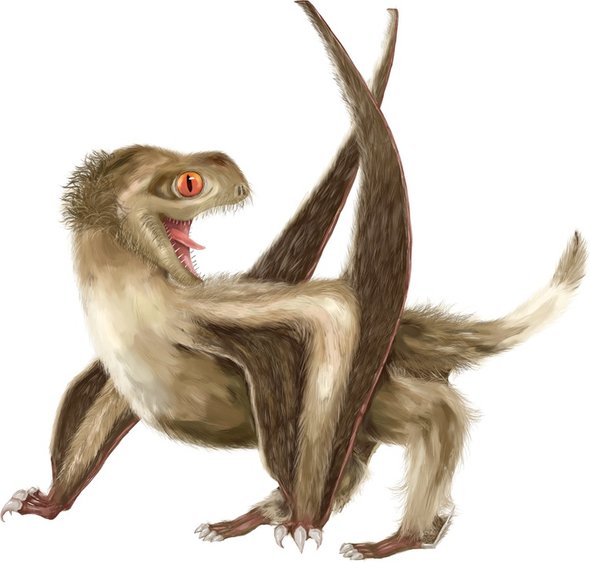
An adult Vancouver Island marmot typically measures 65 to 70 centimetres (26 to 28 in) from the tip of its nose to the tip of its tail.