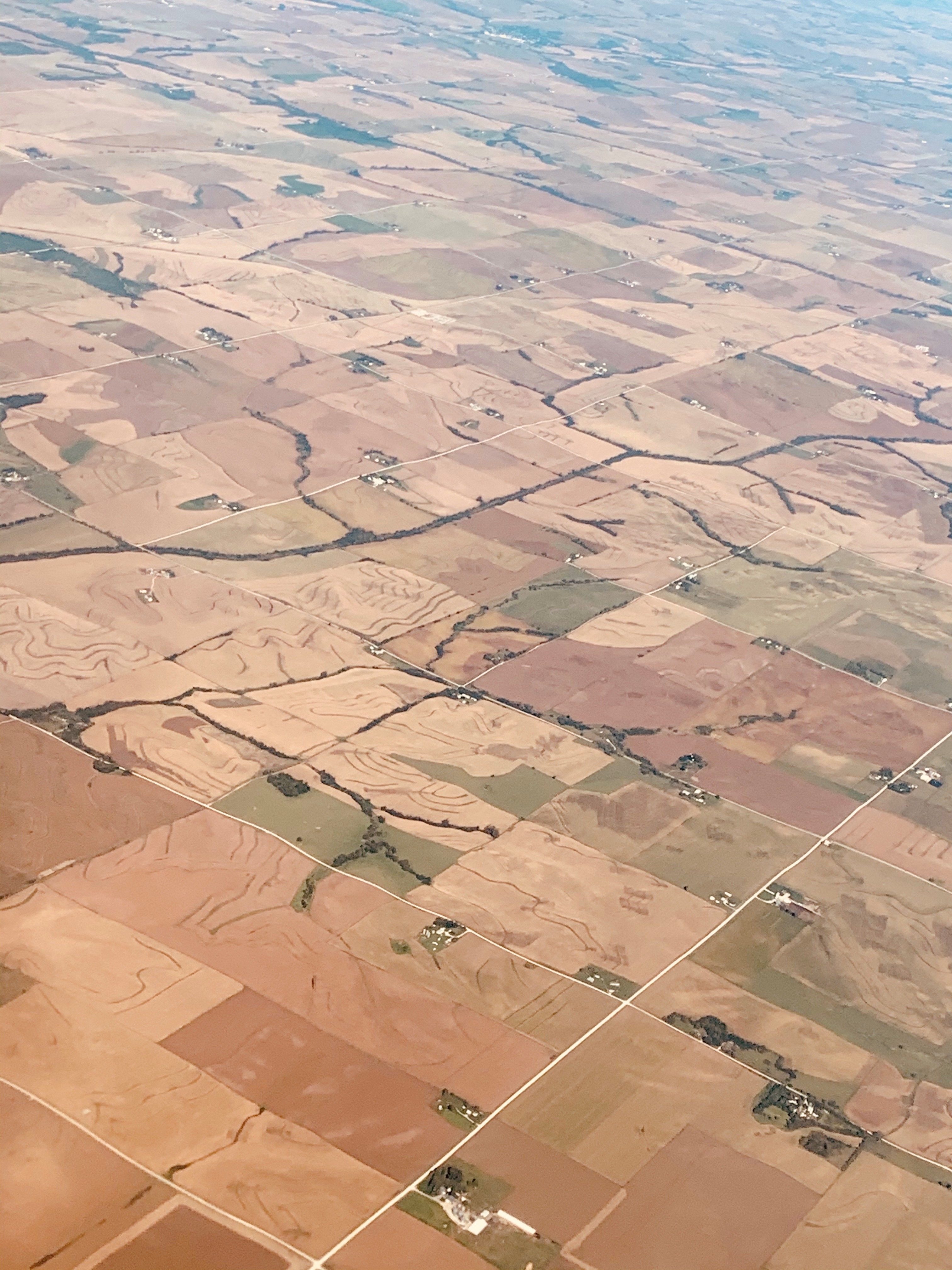
Advocates for organic food in the U.S. lament that acreage devoted to organic food production is expanding at a slower pace than the increase in the number of farms devoted to this type of production. The result is that the average organic farm size has fallen. Based on the number of acres currently in the three-year transition period to certifying organic and assuming the number of farms stays static, the per acre size of organic farms should rise slightly but will remain below that of the average for all U.S. farms (see graph below). Advocates are insisting on increased government assistance, for example the EU’s proposed Farm to Fork mandate that 25 percent of output be organic by 2030. Most economists would reserve policy i...



 content here...

 A pika (/ˈpaɪkə, ˈpiːkə/ PY-kə, PEE-kə[3][4]) is a small, mountain-dwelling mammal native to Asia and North America. With short limbs, a very round body, an even coat of fur, and no external tail, they resemble their close relative the rabbit, but with short, rounded ears.[5] The large-eared pi...
 Gloriosa is a genus of 12 species in the plant family Colchicaceae, and includes the formerly recognised genus Littonia. They are native in tropical and southern Africa to Asia, and naturalised in Australia and the Pacific as well as being widely cultivated.[3] The most common English names are...
 Lobelia (/loʊˈbiːliə, lə-/[4][5][6]) is a genus of flowering plants in the family Campanulaceae comprising 415 species,[7] with a subcosmopolitan distribution primarily in tropical to warm temperate regions of the world, a few species extending into cooler temperate regions.[8] They are known g...

From WPI Consulting
Like all marmots
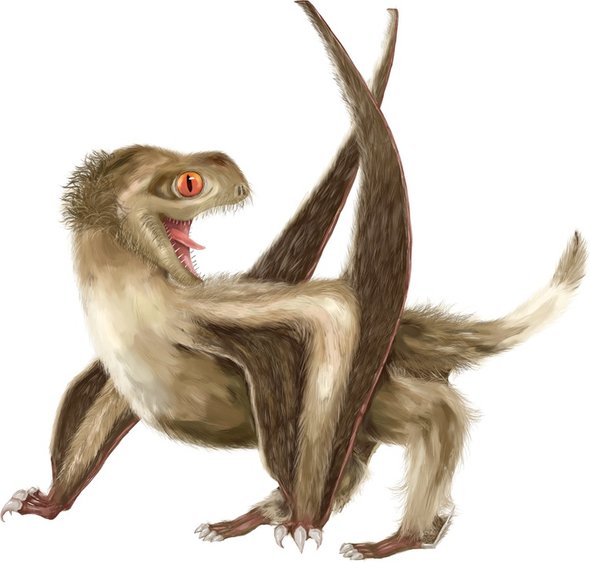
An adult Vancouver Island marmot typically measures 65 to 70 centimetres (26 to 28 in) from the tip of its nose to the tip of its tail.