

Exports point to climate change as the cause of the plateauing in global crop production but no where is it more apparent than in coffee production. Brazil is responsible for 40 percent of global coffee production and around 31 percent of global trade. This year, Brazil’s coffee exports will drop 22 percent, though global trade will only fall 4 percent as other coffee suppliers fill the gap. Brazil’s four-year low in coffee output is the result of last year’s drought conditions and winter frosts. Some of this year’s crop is also seeing dryness but rains have been ample where they count. Traders can manage moving grain crops were they are needed, but only if they have sufficient caffeine to think it through cle...



 A microlith is a small stone tool usually made of flint or chert and typically several centimeters in length and half a centimetre wide. They were made by humans from at least the Upper Paleolithic, across Africa, Europe, Asia and Australia. The microliths were used in spear points and arrowhea...

 The Alaska marmot (Marmota broweri), also known as the Brooks Range marmot[3] or the Brower's marmot,[4] is a species of rodent in the family Sciuridae. Once considered to be the same species as the hoary marmot, it is now known to be unique. Alaska marmots are found in the scree slopes of the...


From WPI Consulting
Forecasting developments in production agriculture
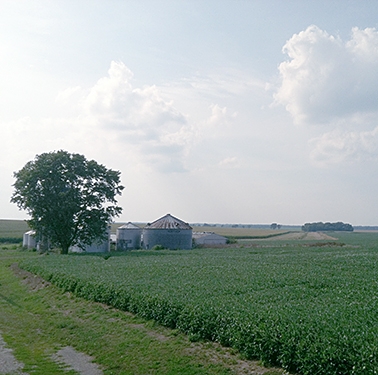
On behalf of a private U.S. agricultural technology provider, WPI’s team generated an econometric model to forecast the movement of concentrated corn production north and west from the traditional U.S. Corn Belt. WPI’s model has subsequently provided quantitative support to a multi-million-dollar investment into short-season corn variety development. WPI’s methodology included a series of interviews with regional grain elevators and seed consultants. Emphasizing outreach and communication with stakeholders who possess intimate sectoral knowledge – on-the-ground insights – is a regular component of WPI’s methodologies, made possible by WPI’s ever-growing network of industry contacts.