


USDA will release its December WASDE (supply and demand) estimates tomorrow for both the U.S. and the world. That wouldn’t be evident if only reading the news, which is basically focused solely on China, China and more China. It’s not that this country and the trade deal aren’t important; both are obviously critical to the markets going forward. The problem today is that everything being read from day to day is based on rumors and guesses as there is no factual information available. One day China is going to buy 10-15 MMT of U.S. corn, wheat and soybeans, and the next day it isn’t going to buy anything. With every news and analytical group thinking it has or wanting to have the “scoop,” the result is cre...


 Kiwengwa/Pongwe Forest Reserve Kiwengwa/Pongwe Forest Reserve is located on the northeast coast of Unguja, 20 kilometres (12 mi) from the Town. The reserve is an important biodiversity spot in the coral rag zone. The forest reserve is rich both in faunal and floral species. The faunal species r...


 content here...
 Fabiana is a genus of flowering plants in the nightshade family, native to dry slopes in western South America.[1] They are evergreen shrubs or subshrubs,[1] with needle-like leaves and profuse tiny tubular flowers in summer. The common name is false heath because the leaves superficially resem...

From WPI Consulting
Infrastructure investment due diligence
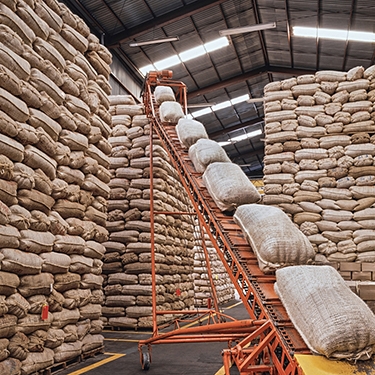
On behalf of a Canadian oilseed processer WPI's team provided market analysis, econometric modeling and financial due diligence in support of a $24 million-dollar investment in a Ukrainian crush plant. Consistent with WPI's findings, local production to supply the plant and the facility's output have expanded exponentially since the investment. WPI has conducted parallel work on behalf of U.S., South American and European clients, both private and public, in the agri-food space.