


Like Europe, U.S. use of inputs like fertilizer slowed as genetics and technology increased in their role in production. The difference is that U.S. agricultural productivity will see substantially differernt gains in the years ahead. Partial Productivity HFFA Research completed a study for the European Plant Technology Platform that found improved plant breeding techniques over the past 15 years has boosted productivity by 16 percent or just over 1 percent per year. Importantly, seed genetics accounts for 74 percent of all productivity gains in the EU and drives a third of farmer income. Missing from the analysis is how much stronger the gains would have been had Brussels allowed the use of biotechnology in production for more than a few...



 A microlith is a small stone tool usually made of flint or chert and typically several centimeters in length and half a centimetre wide. They were made by humans from at least the Upper Paleolithic, across Africa, Europe, Asia and Australia. The microliths were used in spear points and arrowhea...
 Kiwengwa/Pongwe Forest Reserve Kiwengwa/Pongwe Forest Reserve is located on the northeast coast of Unguja, 20 kilometres (12 mi) from the Town. The reserve is an important biodiversity spot in the coral rag zone. The forest reserve is rich both in faunal and floral species. The faunal species r...


 content here...


From WPI Consulting
Infrastructure investment due diligence
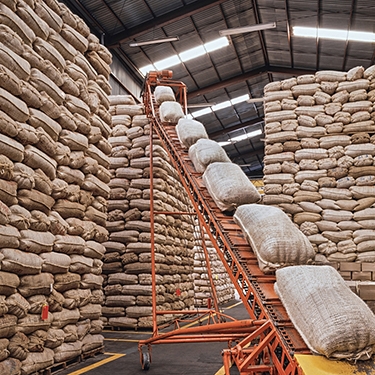
On behalf of a Canadian oilseed processer WPI's team provided market analysis, econometric modeling and financial due diligence in support of a $24 million-dollar investment in a Ukrainian crush plant. Consistent with WPI's findings, local production to supply the plant and the facility's output have expanded exponentially since the investment. WPI has conducted parallel work on behalf of U.S., South American and European clients, both private and public, in the agri-food space.