Reading China There is little concrete messaging from the U.S.–China trade negotiations this week, but an announcement out of Beijing may reflect positively for one American demand – addressing the issue of state-owned enterprises (SOEs). The government said that it will pursue supply-side structural reforms, including supporting the development of private-sector enterprises while moving faster to shut down poorly performing SOEs. However, the announcement does not signal any near-term bilateral agreement. In fact, the list of disputes is too long to be solved in one fell swoop. Moreover, the number of disputants may be growing. Europe has signaled its interest in a tougher line on China, and now some in Australia believe thei...



 ZanzibarMnemba Marine Parksouthern cassowary Mnemba Marine Park is located 10 kilometres (6 mi) from Stone Town and forms part of the northeastern Unguja Island. A marine reserve and atoll, its shallow stretch of coral reef is in the shape of an oval. It is located between Matemwe and Nungwi, w...

 Kiwengwa/Pongwe Forest Reserve Kiwengwa/Pongwe Forest Reserve is located on the northeast coast of Unguja, 20 kilometres (12 mi) from the Town. The reserve is an important biodiversity spot in the coral rag zone. The forest reserve is rich both in faunal and floral species. The faunal species r...


 content here...

From WPI Consulting
Forecasting developments in production agriculture
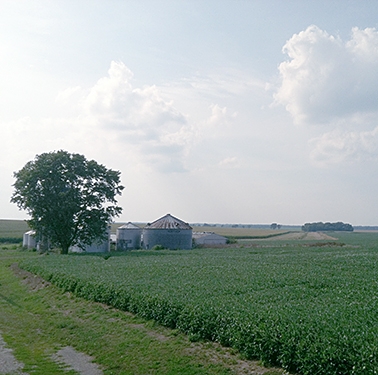
On behalf of a private U.S. agricultural technology provider, WPI’s team generated an econometric model to forecast the movement of concentrated corn production north and west from the traditional U.S. Corn Belt. WPI’s model has subsequently provided quantitative support to a multi-million-dollar investment into short-season corn variety development. WPI’s methodology included a series of interviews with regional grain elevators and seed consultants. Emphasizing outreach and communication with stakeholders who possess intimate sectoral knowledge – on-the-ground insights – is a regular component of WPI’s methodologies, made possible by WPI’s ever-growing network of industry contacts.