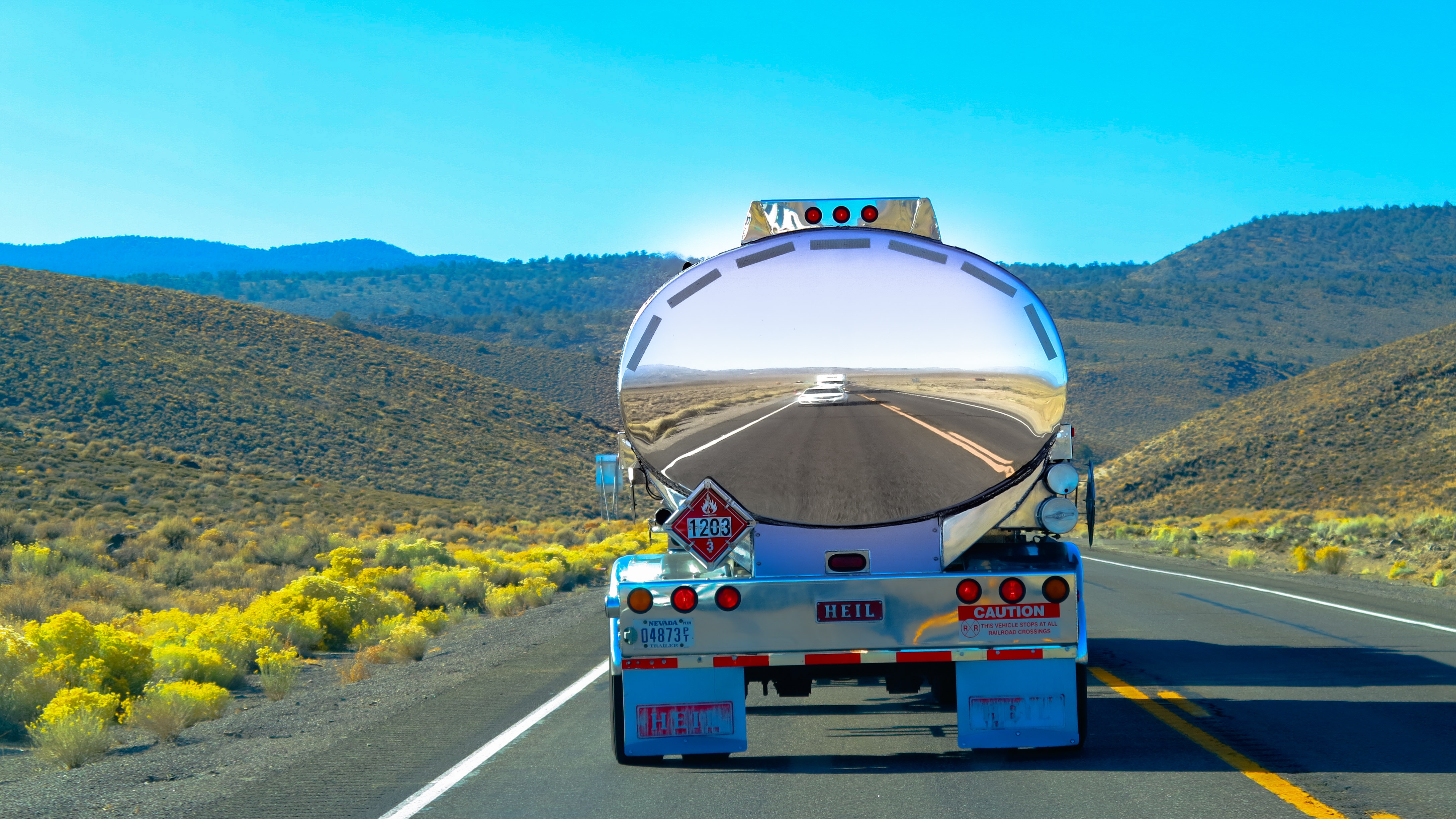
In 2022, renewable diesel (RD) utilization (based on product supplied) surpassed biodiesel (BD) use. For Q1 of 2023, RD has extended the gap. This is not surprising given the rapid expansion of RD capacity in the past couple of years.
What also was expected, but perhaps still slightly surprising when looking deeper, is the regional growth in RD demand. With the growth of RD, in 2022 petroleum diesel consumption in the western U.S. (California, Oregon, Washington, Arizona, and Nevada) was its lowest since 2002, and is trending lower as RD use expands. For the first four months of 2023, petroleum diesel use in the west has continued to decline. Note, this region has California’s Low Carbon Fuel Standard, and Oregon’s and Washin...


 ZanzibarMnemba Marine Parksouthern cassowary Mnemba Marine Park is located 10 kilometres (6 mi) from Stone Town and forms part of the northeastern Unguja Island. A marine reserve and atoll, its shallow stretch of coral reef is in the shape of an oval. It is located between Matemwe and Nungwi, w...


 content here...

 The magpie goose (Anseranas semipalmata) is the sole living representative species of the family Anseranatidae. This waterbird is found in northern Australia and southern New Guinea.[2] The species is not truly migratory but it sometimes travels large distances to find food and water, especiall...
 A pika (/ˈpaɪkə, ˈpiːkə/ PY-kə, PEE-kə[3][4]) is a small, mountain-dwelling mammal native to Asia and North America. With short limbs, a very round body, an even coat of fur, and no external tail, they resemble their close relative the rabbit, but with short, rounded ears.[5] The large-eared pi...