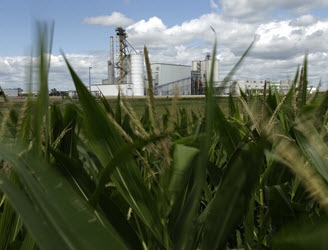
EPA released its 2022 proposed required volume obligations (RVO) under the RFS along with the retroactive 2021 volumes and an adjustment to the 2020 volumes.
EPA is also proposing to add a 250-million-gallon “supplemental obligation” to the volumes proposed for 2022 and stated its intent to add another 250 million gallons in 2023. This would address the remand of the 2014-2016 annual rule by the DC Circuit Court of Appeals in Americans for Clean Energy v. EPA. As WPI wrote on 15 June: That extra 500 million gallons is an issue that continues to hang over EPA as it tries to balance out the 2022 RVO with the realities of the market. Effectively, that would make the conventional obligation 15.25 billion gallons for...


 ZanzibarMnemba Marine Parksouthern cassowary Mnemba Marine Park is located 10 kilometres (6 mi) from Stone Town and forms part of the northeastern Unguja Island. A marine reserve and atoll, its shallow stretch of coral reef is in the shape of an oval. It is located between Matemwe and Nungwi, w...


 content here...

 The magpie goose (Anseranas semipalmata) is the sole living representative species of the family Anseranatidae. This waterbird is found in northern Australia and southern New Guinea.[2] The species is not truly migratory but it sometimes travels large distances to find food and water, especiall...
 A pika (/ˈpaɪkə, ˈpiːkə/ PY-kə, PEE-kə[3][4]) is a small, mountain-dwelling mammal native to Asia and North America. With short limbs, a very round body, an even coat of fur, and no external tail, they resemble their close relative the rabbit, but with short, rounded ears.[5] The large-eared pi...