
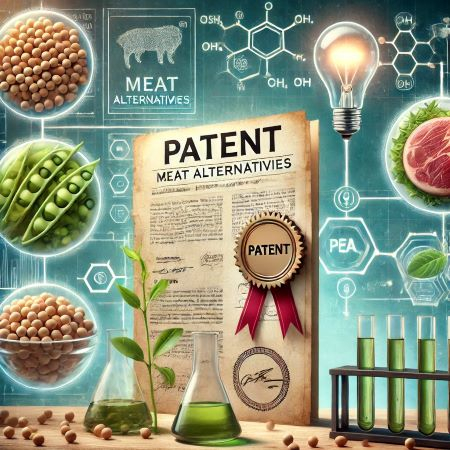
Europe ran out of energy when the Russian attack on Ukraine forced it to reduce imports from Russia. Europe lacks the ability to defend itself despite Russia’s threat on its eastern border. Now Europe is reducing its consumption of meat but failing to invest in meat alternatives that could lead to further import dependence for protein in their diet. According to Food Navigator, U.S. companies have over 200 patents approved for meat alternatives while EU companies hold less than 30 such patents. Moreover, many of the meat alternative patents filed in Europe and China are by U.S.-based assignees. Americans eat 20 percent more meat per capita than Europeans and pay less for it. EU per capita consumption of meat is declining, where...



 content here...
 The magpie goose (Anseranas semipalmata) is the sole living representative species of the family Anseranatidae. This waterbird is found in northern Australia and southern New Guinea.[2] The species is not truly migratory but it sometimes travels large distances to find food and water, especiall...
 The common ostrich (Struthio camelus), or simply ostrich, is a species of flightless bird native to certain areas of Africa (and historically, Arabia) and is the largest living species of bird. The common ostrich is one of two extant species of ostriches, the only living members of the genus St...
 A pika (/ˈpaɪkə, ˈpiːkə/ PY-kə, PEE-kə[3][4]) is a small, mountain-dwelling mammal native to Asia and North America. With short limbs, a very round body, an even coat of fur, and no external tail, they resemble their close relative the rabbit, but with short, rounded ears.[5] The large-eared pi...

From WPI Consulting
Infrastructure investment due diligence
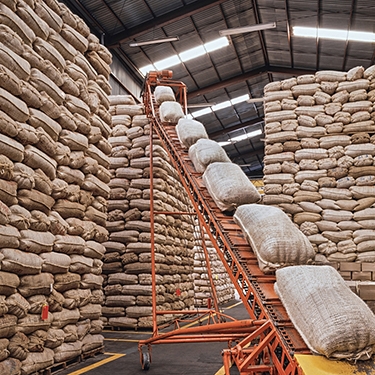
On behalf of a Canadian oilseed processer WPI's team provided market analysis, econometric modeling and financial due diligence in support of a $24 million-dollar investment in a Ukrainian crush plant. Consistent with WPI's findings, local production to supply the plant and the facility's output have expanded exponentially since the investment. WPI has conducted parallel work on behalf of U.S., South American and European clients, both private and public, in the agri-food space.