
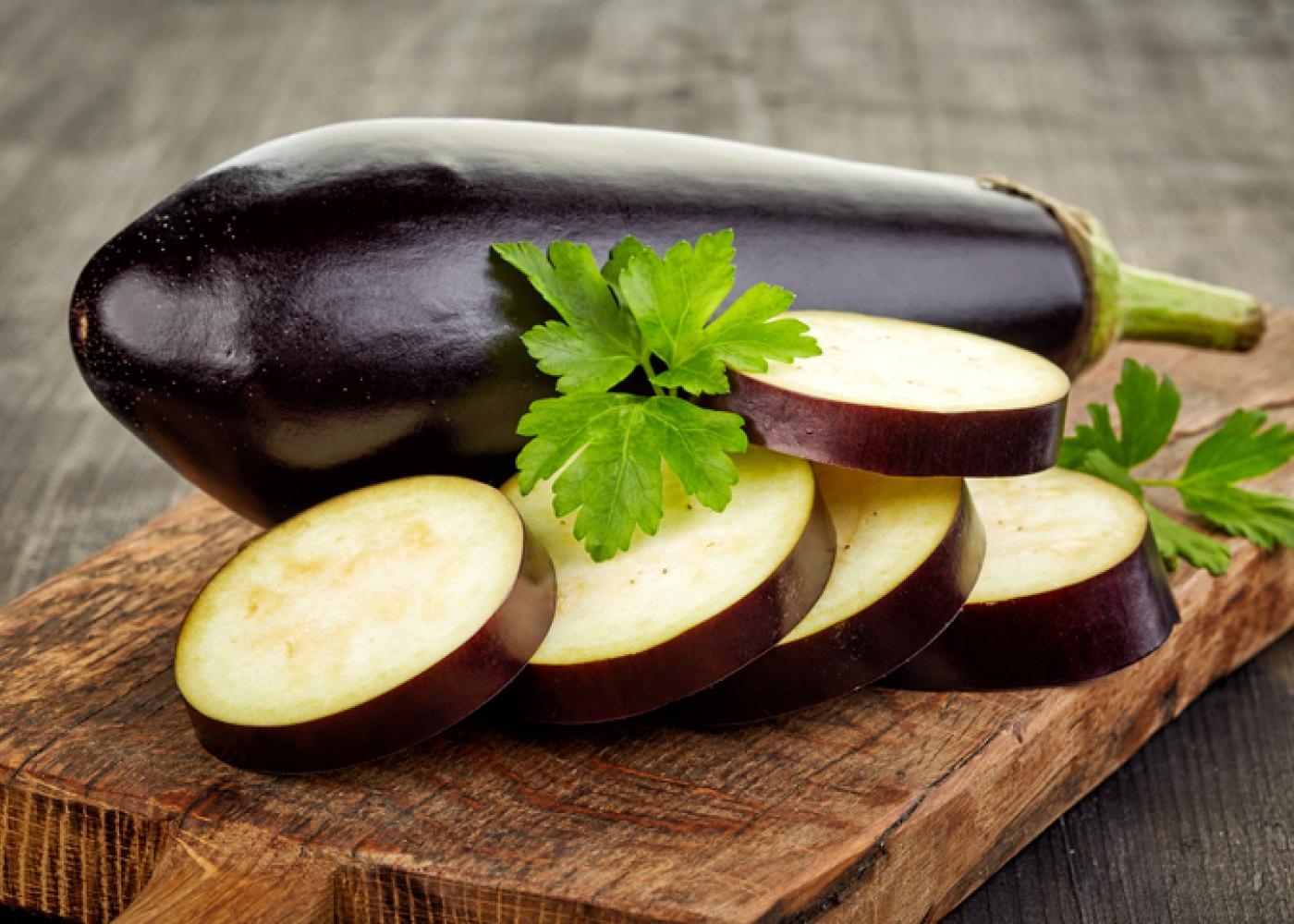
The American Salad Belt is largely on the West Coast and Congressional representatives mostly from that region have introduced legislation (The Specialty Crops Reporting on Opportunities and Promotion Act) intended to boost the export of crops like fruits and vegetables. The political representatives complain that these products produced by their constituents confront high tariffs, burdensome labeling requirements, and other trade barriers in other countries. Their legislation would boost USTR’s reporting requirements specifically on these specialty crops. Barriers to these products and to all others are already part of USTR’s annual National Trade Estimates report on trade barriers so this bill would change little from what is...



 A microlith is a small stone tool usually made of flint or chert and typically several centimeters in length and half a centimetre wide. They were made by humans from at least the Upper Paleolithic, across Africa, Europe, Asia and Australia. The microliths were used in spear points and arrowhea...


 Lobelia (/loʊˈbiːliə, lə-/[4][5][6]) is a genus of flowering plants in the family Campanulaceae comprising 415 species,[7] with a subcosmopolitan distribution primarily in tropical to warm temperate regions of the world, a few species extending into cooler temperate regions.[8] They are known g...
 The Alaska marmot (Marmota broweri), also known as the Brooks Range marmot[3] or the Brower's marmot,[4] is a species of rodent in the family Sciuridae. Once considered to be the same species as the hoary marmot, it is now known to be unique. Alaska marmots are found in the scree slopes of the...

From WPI Consulting
Forecasting developments in production agriculture
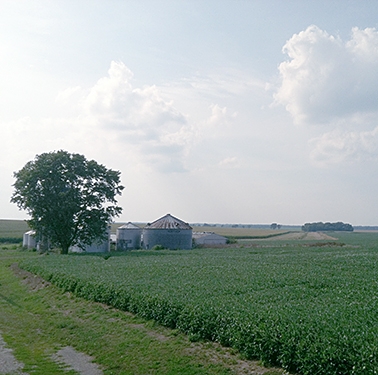
On behalf of a private U.S. agricultural technology provider, WPI’s team generated an econometric model to forecast the movement of concentrated corn production north and west from the traditional U.S. Corn Belt. WPI’s model has subsequently provided quantitative support to a multi-million-dollar investment into short-season corn variety development. WPI’s methodology included a series of interviews with regional grain elevators and seed consultants. Emphasizing outreach and communication with stakeholders who possess intimate sectoral knowledge – on-the-ground insights – is a regular component of WPI’s methodologies, made possible by WPI’s ever-growing network of industry contacts.