


While today's USDA December WASDE did not contain any significant changes to the bottom line of U.S. ending supplies, there were some adjustments to the world production estimates. Meanwhile, there have been a few other ongoing developments.USDA released its December WASDE (supply/demand) estimates earlier today. As expected, there were no significant changes to the bottom line of U.S. ending supplies. In fact, not a single number was altered in the U.S. wheat, corn or soybean supply/demand updates. USDA did increase the biodiesel demand in the soyoil table by 250 million pounds, which was the result of the new 2017 biofuels mandates announced a few weeks ago. It also reduced the soymeal export forecast by 200,000 MT. The U.S. ending supply...



 ZanzibarMnemba Marine Parksouthern cassowary Mnemba Marine Park is located 10 kilometres (6 mi) from Stone Town and forms part of the northeastern Unguja Island. A marine reserve and atoll, its shallow stretch of coral reef is in the shape of an oval. It is located between Matemwe and Nungwi, w...
 Kiwengwa/Pongwe Forest Reserve Kiwengwa/Pongwe Forest Reserve is located on the northeast coast of Unguja, 20 kilometres (12 mi) from the Town. The reserve is an important biodiversity spot in the coral rag zone. The forest reserve is rich both in faunal and floral species. The faunal species r...


 content here...
 Fabiana is a genus of flowering plants in the nightshade family, native to dry slopes in western South America.[1] They are evergreen shrubs or subshrubs,[1] with needle-like leaves and profuse tiny tubular flowers in summer. The common name is false heath because the leaves superficially resem...

From WPI Consulting
Infrastructure investment due diligence
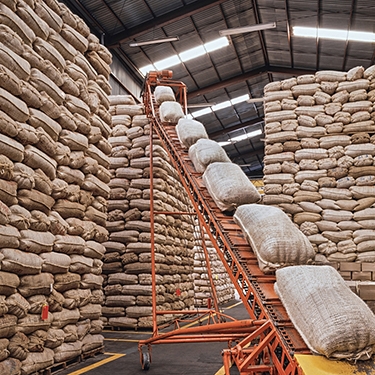
On behalf of a Canadian oilseed processer WPI's team provided market analysis, econometric modeling and financial due diligence in support of a $24 million-dollar investment in a Ukrainian crush plant. Consistent with WPI's findings, local production to supply the plant and the facility's output have expanded exponentially since the investment. WPI has conducted parallel work on behalf of U.S., South American and European clients, both private and public, in the agri-food space.